15 Camping Activities for Families with Kids and Toddlers
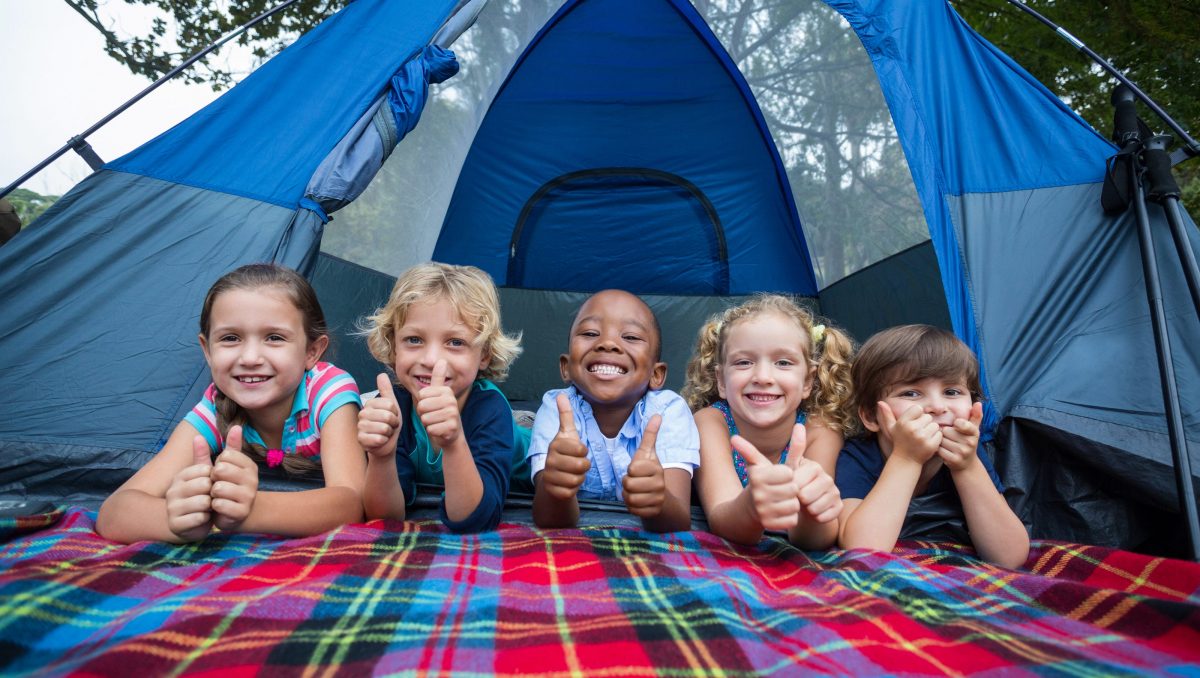
Camping with children is less about the destination and more about what you do once you get there. Without screens and the usual toys, kids often discover how much fun they can have with sticks, stars and a flashlight. A little planning helps, though, especially with toddlers, whose attention span is short and whose bedtime does not move just because you are in a tent.
Here are 15 camping activities sorted by age, plus a few tips for keeping the trip safe and relaxed.
Activities for toddlers
Toddlers learn through their senses and love repetition. Keep activities short, close to camp and easy to stop when they are tired.
1. Nature treasure bags
Give your toddler a small bag and a simple mission: find something smooth, something rough, something green and something that crunches. Collecting is endlessly satisfying at this age. Just check each treasure before it goes in the bag, and leave flowers and living things where they are.
2. Water play
A shallow bucket of water, a few cups and a sponge can keep a toddler busy for ages. At a lake or stream, splashing in the shallows with an adult right beside them is the highlight of many trips. Toddlers can drown in very little water, so stay within arm's reach at all times.
3. Sensory walks
Walk slowly along a short trail and stop often to touch tree bark, smell pine needles, listen for birds and look under leaves. Name what you find. The point is not distance but noticing.
4. Flashlight play
As the light fades, a small flashlight of their own turns the campsite into an adventure. Make shadow puppets on the tent wall, play "find the light" or simply let them shine it on trees and rocks.
5. Bedtime stories in the tent
A familiar book and a familiar bedtime routine help toddlers settle in a new place. Bring their usual sleep comforts, such as a blanket or soft toy, and read by lantern light.
Activities for older kids
School-age children can take on bigger challenges and enjoy a sense of responsibility. Giving them real jobs around camp often becomes an activity in itself.
6. Scavenger hunt
Make a list before the trip: a pine cone, a feather, a heart-shaped rock, an animal track, five different leaves. Kids can work in teams and photograph the items instead of collecting them, which is kinder to the campsite.
7. Learn to set up camp
Let older kids help pitch the tent, roll out sleeping bags and gather kindling with an adult. Knowing they built the camp themselves gives them real pride, and they learn skills they will keep for life.
8. Animal tracking
Look for tracks in mud and sand near water, and bring a simple field guide or app to identify them. Early morning and dusk are the best times to spot birds and small animals.
9. Stargazing
Away from city lights, the night sky is spectacular. Lie on a blanket, find the Big Dipper and the North Star, and watch for satellites and shooting stars. A star chart app helps name constellations, but switch it to night mode to keep your eyes adjusted to the dark.
10. Nature journal
Give each child a small notebook to sketch plants, insects and views, press a leaf, or write about the day. It keeps them observing closely and makes a lovely keepsake.
11. Fishing
Many campgrounds sit near lakes or streams that are good for beginner fishing. Check local license rules, keep it simple with a basic rod and worms, and practice catch and release if the kids are not keen to clean fish.
Activities for the whole family
12. Campfire cooking
Making dinner over the fire is half the fun of camping. Kids can toast marshmallows for s'mores, wrap foil-packet dinners, or cook bread dough wrapped around a stick. Set clear rules about how close they can get to the fire, and make sure an adult always tends it.
13. Campfire stories and songs
Take turns telling stories, play "add a sentence" where everyone builds one story together, or sing songs everyone knows. Keep the stories age-appropriate if little ones are listening.
14. A family hike
Choose a trail with a reward: a waterfall, a lake or a viewpoint. Plan for the slowest walker, bring snacks and water, and let kids set the pace. For young children, a short loop is better than an ambitious out-and-back.
15. Camp games
Bring a few games that need little equipment: cards, a ball, a frisbee or a set of glow sticks for night games. Classic games like hide-and-seek, "I spy" and tag work anywhere, within boundaries you agree on in advance.
Safety tips for camping with kids
Set boundaries. Show children exactly how far they can go from camp, and give each child a whistle to blow three times if they get lost.
Fire rules. Mark a safe zone around the fire, never leave it unattended, and drown it completely with water before bed or leaving camp.
Water safety. Supervise constantly near any water, and use life jackets for young children and weak swimmers.
Sun and bugs. Pack sunscreen, hats and an insect repellent suited to your child's age, and check everyone for ticks each evening.
Layers. Nights can be much colder than days, even in summer. Bring warm layers and sleeping bags rated for the temperatures you expect.
The bottom line
The best camping activities for families are simple: exploring, cooking, playing and looking at the stars together. Match activities to your children's ages, keep a loose schedule with plenty of free time, and let the outdoors do most of the entertaining.