9 Types of Garages and How to Choose the Right One
A garage does a lot more than shelter a car. It is storage, a workshop, a laundry room or a gym, and often the main way in and out of the house. Choosing the right type comes down to how you will use it, how much space and budget you have, and what your local building rules allow.
Here are the most common types of garages, what each one is good at, and the questions to ask before you build.
Attached Garage
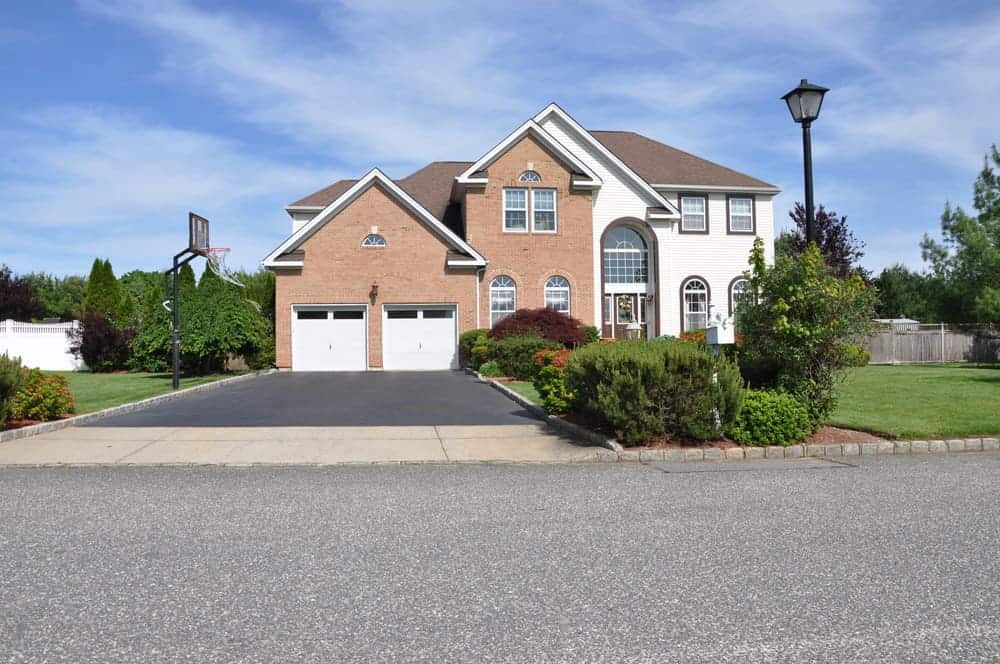
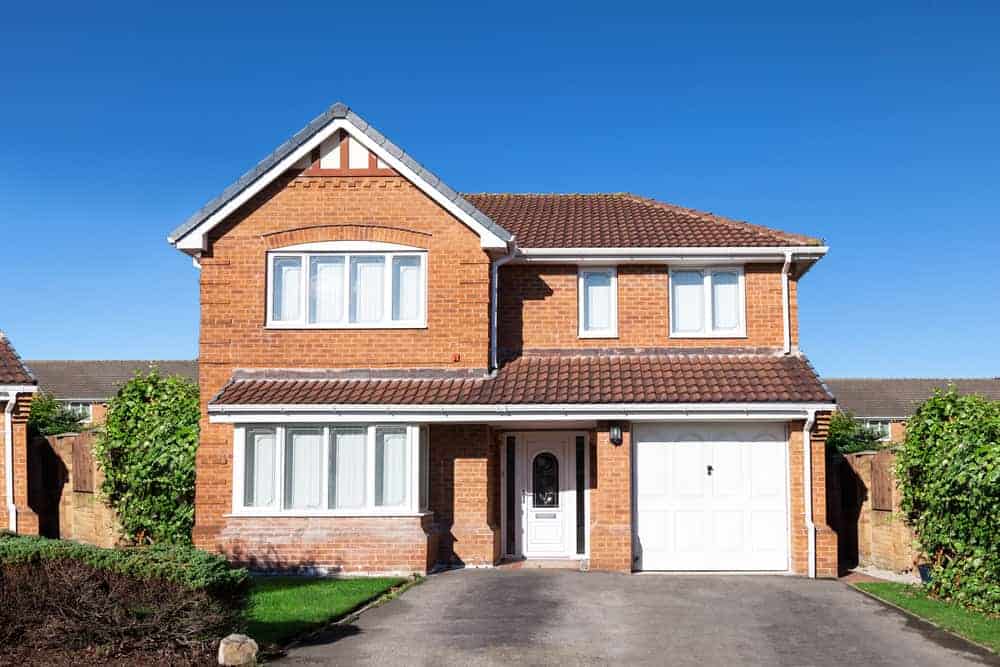
An attached garage shares at least one wall with the house and usually has a door straight into it. That makes it the most convenient option: you can unload groceries or get to the car in bad weather without going outside, and utilities are easy to run.
The trade-offs are safety and comfort. Because exhaust fumes and fuel are stored next to living space, building codes typically require a fire-rated wall and door between the garage and the house, and a carbon monoxide alarm inside the home is a must. An attached garage also takes up part of the footprint of the lot that could otherwise be used for the house or yard.
Detached Garage
A detached garage stands on its own somewhere on the property. Separating it from the house keeps noise, fumes and fire risk away from living space, and it gives you more freedom in its size, style and position. It is the common choice for older homes, for lots with rear alley access, and for anyone who wants a workshop away from the house.
On the other hand, you have to walk outside to reach it, and running power, lighting and sometimes water to it adds to the cost. Many towns also have rules about how close an outbuilding can be to the property line and how tall it can be.
Breezeway or Portico Garage
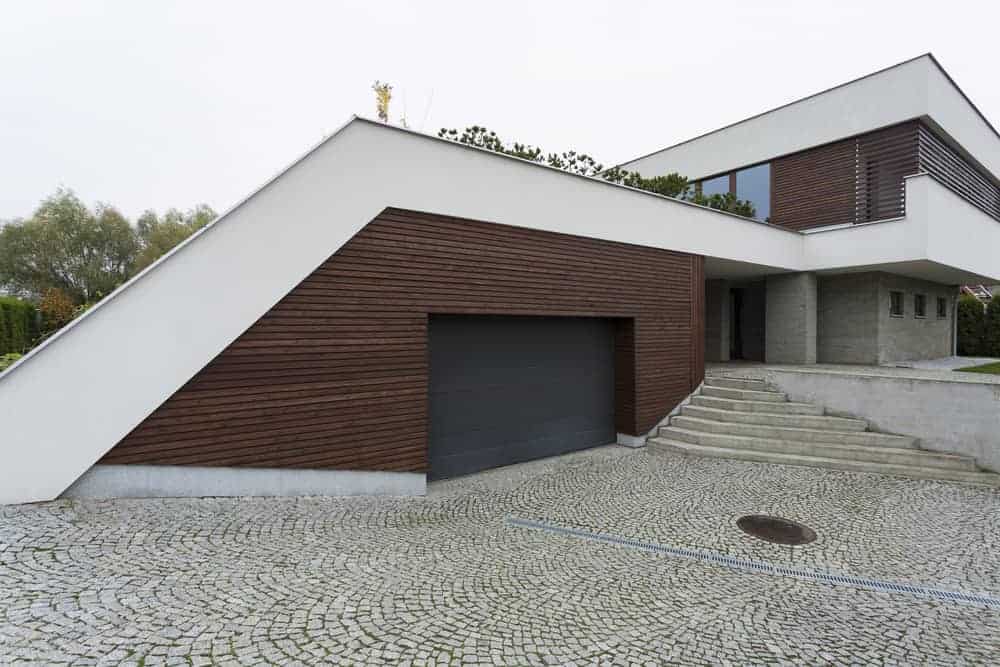
A breezeway garage is a detached garage joined to the house by a covered walkway. It is a middle ground between the first two types: you stay dry going between the car and the door, but the garage itself remains separate from the house.
The breezeway can be open at the sides or fully enclosed, and it often doubles as a mudroom, a sheltered seating area or a place to store bikes. It does take up more of the lot than an attached garage.
Single-Bay Garage
A single-bay garage holds one vehicle. It is the cheapest and most compact garage to build and suits smaller lots, townhouses and homes where only one car needs covered parking.
Plan the size around how you will really use it. A garage that just fits a car leaves no room to open doors comfortably or store anything else. Many builders treat about 12 by 22 feet as a practical minimum for one car, and a little more width and depth makes room for a workbench, shelves or a lawn mower. Two- and three-bay garages follow the same logic, with each extra bay adding roughly 10 to 12 feet of width.
Garage Workshop
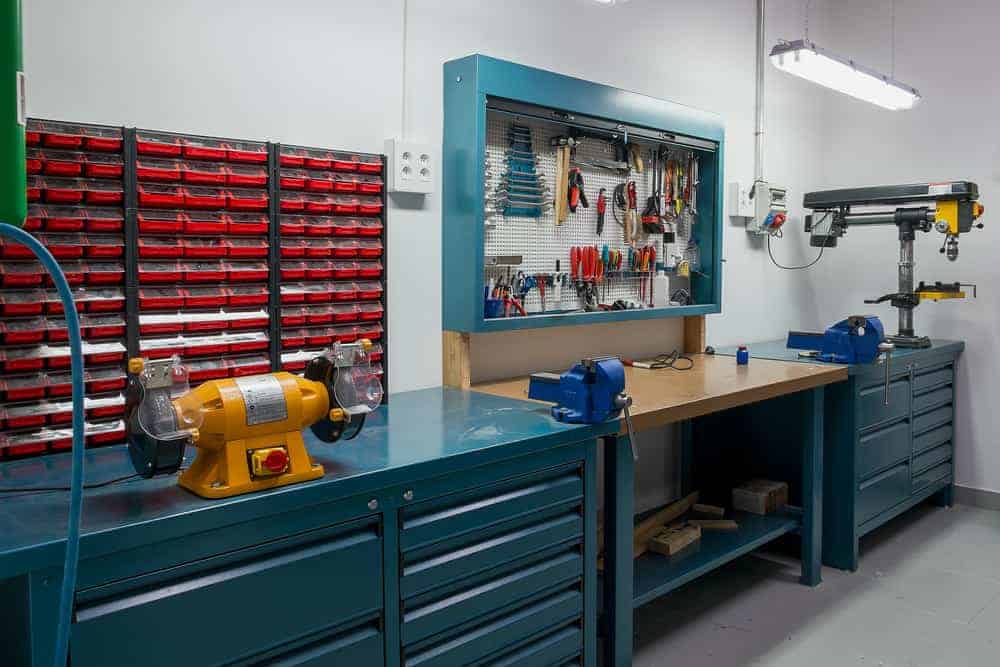
A garage workshop is built or converted to be a working space first and parking second, or not at all. It is the type to consider if you do woodworking, repair cars or bikes, or need a home studio.
What makes a garage work as a workshop is mostly planning:
Plenty of electrical outlets on separate circuits, including higher-capacity circuits for large tools
Good lighting, both overhead and at the workbench
Insulation, and heating or cooling if you will use it year-round
A floor that can handle spills, such as sealed or epoxy-coated concrete
Ventilation for dust and fumes
Barn-Style Garage
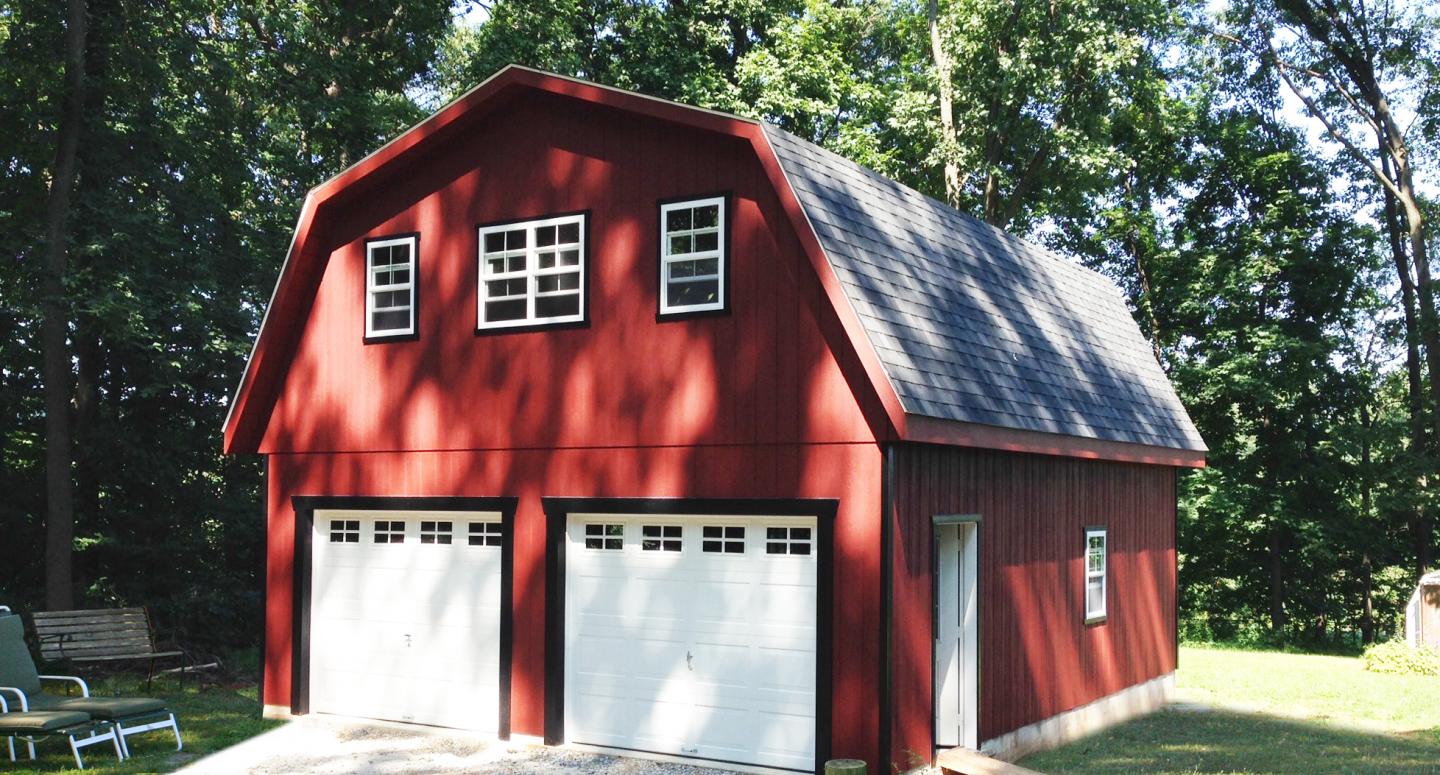
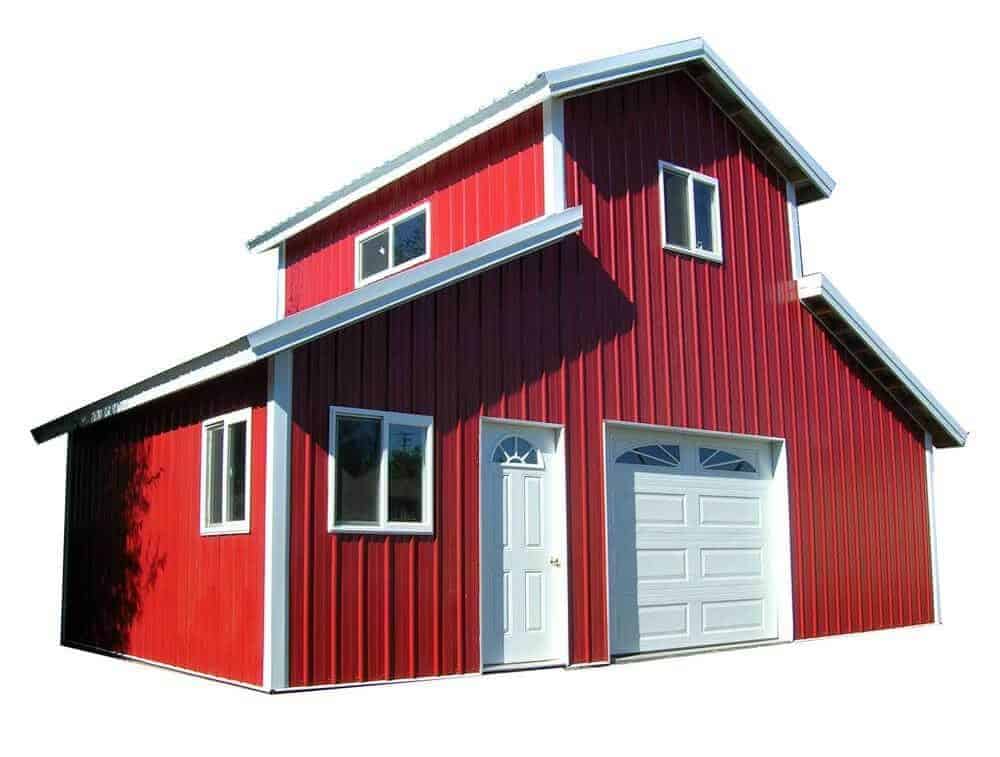
A barn-style garage borrows the look of a traditional barn, usually with a gambrel roof, large doors and often a loft. The tall roofline creates a lot of storage space overhead, which can be used as a loft for storage, a hobby room or even a small apartment where zoning allows it.
Barn-style garages suit rural and farmhouse-style properties and work well as combined garage and storage buildings. They are larger and usually more expensive than a basic detached garage of the same footprint.
Metal Garage
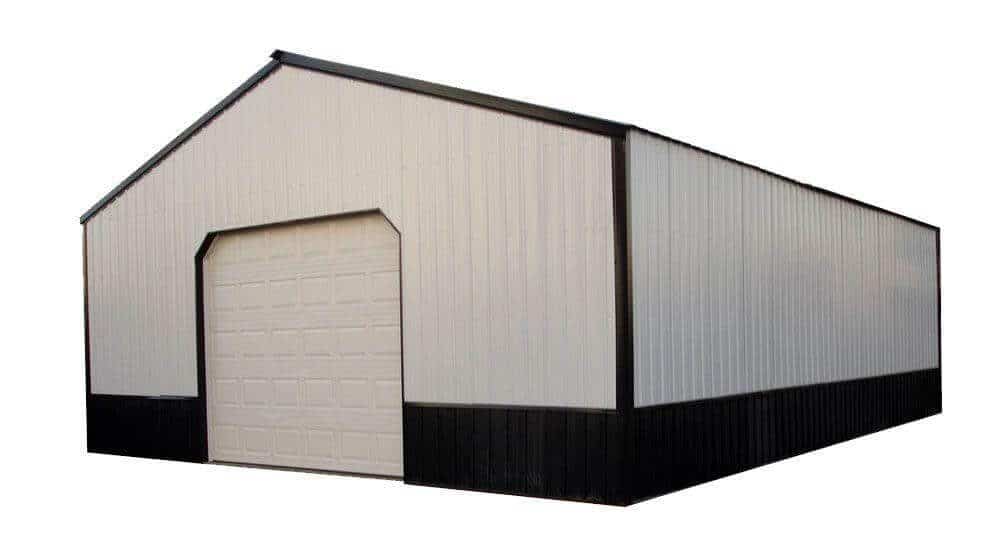
Metal garages are built from a steel frame with steel panels. They are often sold as prefabricated kits, which makes them faster and cheaper to put up than a wood-framed building, and they resist rot, termites and fire.
Steel does need a proper foundation and anchoring, and it gets hot in summer and cold in winter without insulation. Condensation can also be a problem, so a vapor barrier or insulated panels are worth the extra cost if you plan to store anything sensitive inside.
Vinyl or Resin Garage
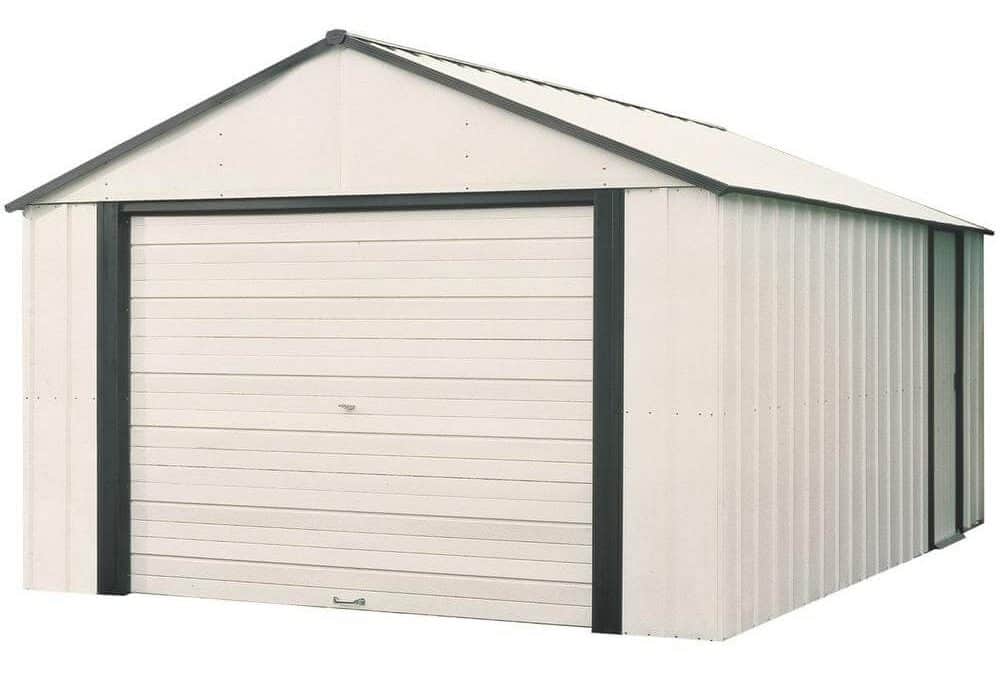
Vinyl and resin (plastic) garages and large sheds are sold as kits for small vehicles, motorcycles, garden equipment and storage. They are lightweight, do not rust or rot, and need almost no maintenance beyond the occasional wash.
They are best for light use. Plastic panels are not as strong as wood or steel, so they are less secure and less suited to heavy snow or high wind, and they come in a limited range of sizes.
Portable Fabric Garage
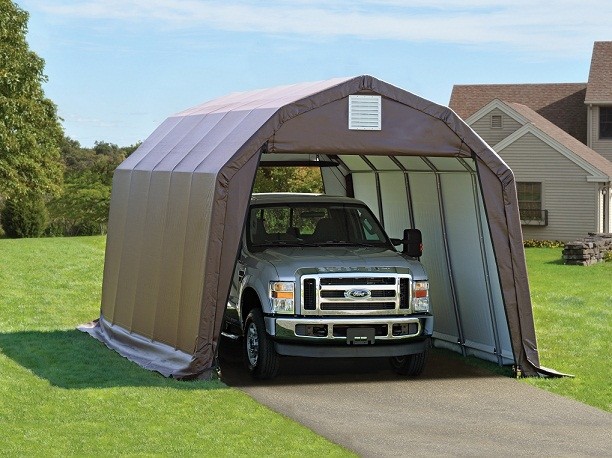
A portable garage is a steel tube frame covered with a heavy polyethylene fabric. It is the least expensive way to keep sun, rain and snow off a vehicle, boat or equipment, and it can be put up in a day and moved later.
Fabric garages are temporary shelters. They must be anchored properly to stand up to wind, the cover will eventually wear out from sunlight, and they offer little security. Check whether your town requires a permit; some areas limit how long temporary structures can stay up.
How to choose
Before you settle on a type, work through these questions:
What will you store? Measure your vehicles, including mirrors and open doors, and list everything else that needs to fit, from bikes to the lawn mower.
How tall are your vehicles? A standard garage door is 7 feet tall. Trucks, vans and roof racks often need an 8-foot door.
What will you do in it? A workshop, gym or laundry area changes how much space, power and insulation you need.
What does your lot allow? Setbacks from property lines, height limits and lot coverage rules decide where a garage can go and how big it can be.
Do you need a permit? Most permanent garages do, and some kits do as well. Your local building department can tell you, and homeowners' associations may have their own rules on style and materials.
What is your budget? A fabric shelter, a steel kit and a fully finished wood-framed garage sit at very different price points, and the foundation, electrical work and finishing can cost as much as the building itself.
The bottom line
If convenience matters most, an attached garage is hard to beat. If you want more space, less noise in the house or a dedicated workshop, a detached or breezeway garage gives you more freedom. Kits in steel, vinyl or fabric bring the cost down, at the price of comfort and longevity. Start with how you will use the space every day, and the right type usually becomes clear.