7 Ways to Attract Fireflies to Your Yard
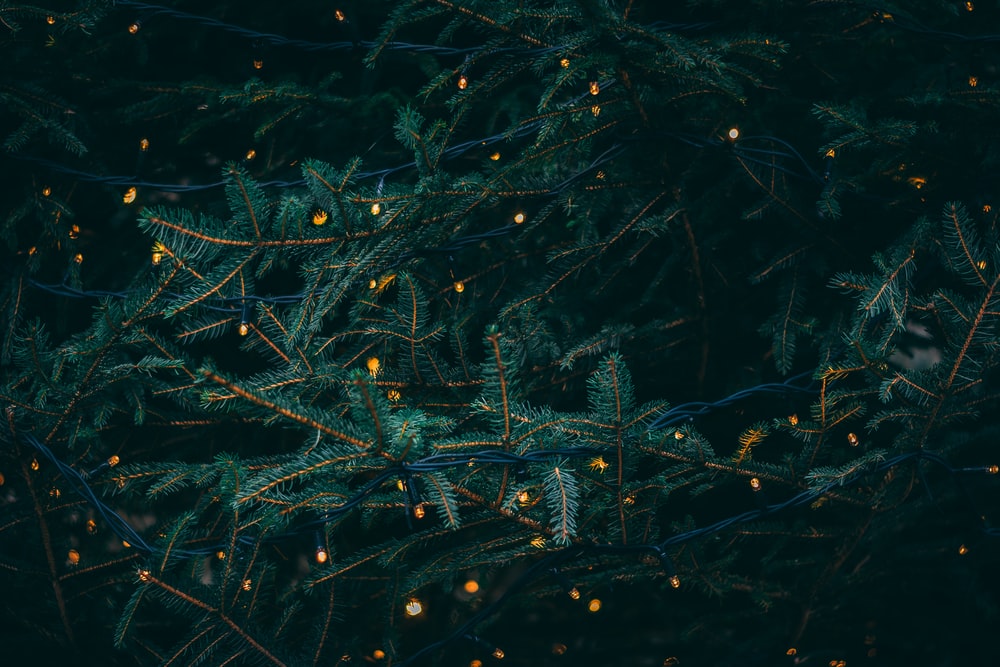
Few things say summer like fireflies blinking over a lawn at dusk. Many people remember far more of them from childhood than they see today, and they are not imagining it: light pollution, pesticides and the loss of damp, overgrown habitat have reduced firefly numbers in many places.
The encouraging part is that a backyard can make a real difference. Fireflies spend most of their lives on or under the ground in a small area, so a yard that meets their needs can support a local population year after year.
How fireflies live
Fireflies are not flies. They are soft-bodied beetles, and there are more than 2,000 species worldwide. Not all of them glow as adults: in North America the flashing species are most common east of the Rocky Mountains, while many western species are active by day and do not light up.
The part of their life we see, the summer flashing, is short. Adults usually live only a few weeks, and the light is a courtship signal: males flash a pattern while flying, and females answer from the grass or low plants. Each species has its own pattern.
Most of a firefly's life is spent as a larva, which can take a year or more. The larvae live in soil, leaf litter and rotting wood, where they hunt snails, slugs and worms. Many larvae glow faintly too, which is why they are sometimes called glowworms.
That life cycle explains almost everything about attracting them. Fireflies need darkness to find a mate, and moist, undisturbed ground to raise the next generation.
1. Turn off the lights
Artificial light is one of the biggest threats to fireflies. Porch lights, floodlights and even bright solar garden lights can drown out their signals, so males and females fail to find each other.
During firefly season, usually late May to July in much of the United States, turn outdoor lights off at dusk or put them on motion sensors. Close the curtains on windows that face the yard. If you need some light for safety, use warm, dim, downward-facing fixtures.
2. Let part of the lawn grow longer
Females rest in tall grass and low vegetation during the day and signal from there at night. A closely mowed lawn gives them nowhere to wait.
You do not need to give up your whole lawn. Leaving a strip along a fence or under trees unmowed, or mowing less often in early summer, gives fireflies the cover they need.
3. Leave the leaves and logs
Firefly larvae need a layer of leaf litter, mulch or decaying wood to hunt and shelter in. Instead of bagging every leaf in autumn, rake them under shrubs and into flower beds. A log or two left to rot in a shady corner is ideal habitat.
4. Stop using pesticides and lawn chemicals
Broad-spectrum insecticides kill fireflies directly. Grub treatments and slug baits remove the food their larvae depend on, and lawn fertilizers and weed killers can harm them too.
If you have a specific pest problem, choose the most targeted treatment you can and apply it only where it is needed. A yard with a few snails and slugs is a yard with food for firefly larvae.
5. Keep things moist
Fireflies are most abundant near streams, ponds, marshes and other damp places, because their larvae and the snails they eat need moisture. You can recreate some of that at home:
Add a small pond or water feature.
Leave a low, damp area of the yard unmowed and planted rather than draining it.
Water flower beds deeply in dry spells, ideally in the morning.
6. Plant trees and native plants
Adult fireflies rest in trees and shrubs during the day, and native plants support the insects, snails and worms their larvae eat. Layered planting, with trees above, shrubs in the middle and native grasses and groundcovers below, gives fireflies shelter at every stage of their lives.
7. Catch them gently, if at all
Catching fireflies is a cherished summer tradition, but adults have only a few weeks to mate. If children want to catch them, use a jar with air holes and a damp paper towel inside, observe them for a short while, and release them the same evening where they were found.
When to expect results
Because larvae can take a year or two to mature, changes you make this summer may not show up until the next season or the one after. If fireflies already live in your neighborhood, though, turning off lights and leaving some tall grass can bring them into your yard almost immediately.
The bottom line
To attract fireflies, give them darkness, longer grass, leaf litter, moisture and a garden free of pesticides. In other words, do a little less tidying and a little less lighting. Your reward is a yard that comes alive with light on summer evenings, and a healthier garden overall.