How to Keep Ducks Out of Your Pool: 7 Humane Methods
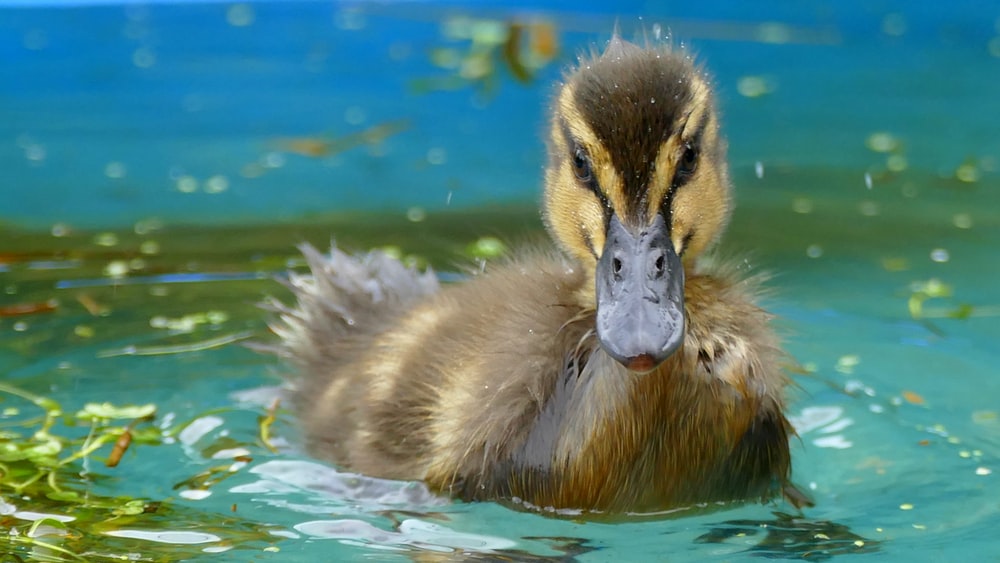
A pair of ducks paddling in your pool looks charming the first morning. By the end of the week you may be skimming feathers, scrubbing droppings off the steps and wondering whether the water is still safe to swim in.
Ducks, usually mallards, choose backyard pools in spring for the same reasons they choose ponds: open water, a clear view of approaching predators, and often a quiet garden nearby where they can nest. The goal is to make your pool look less like a safe pond, ideally before a pair settles in.
Why ducks in the pool are a problem
Droppings. Duck droppings can carry bacteria and parasites that are harmful to people, and a pair of ducks produces a lot of them.
Water chemistry. Droppings and debris use up chlorine quickly and can cloud the water or trigger algae.
The ducks themselves. Chlorinated water is not good for ducks, and ducklings that hatch nearby can get trapped in a pool with no way to climb out.
A note on the law
In the United States, mallards and most other wild ducks are protected under the Migratory Bird Treaty Act, and many other countries have similar laws. It is legal to scare ducks away, but it is illegal to harm or kill them, or to move or destroy an active nest or eggs, without a permit. Everything below is a deterrent, not a way to harm the birds.
1. Cover the pool
A pool cover is the single most effective solution. Ducks cannot land on water they cannot see. A solid safety cover or a tight-fitting solar cover whenever the pool is not in use, especially in early spring when ducks are looking for nesting sites, often solves the problem on its own.
2. Act early and be consistent
Ducks are much easier to discourage before they nest. If a pair starts visiting, chase them off every time you see them, calmly and without harming them. Walking toward them, clapping or spraying water nearby is usually enough. Ducks that find the pool reliably disturbed will look elsewhere.
3. Use a motion-activated sprinkler
A motion-activated sprinkler aimed across the pool deck or the water startles ducks with a sudden burst of water each time they land or walk up. It works day and night without you having to be there, and it is harmless to the birds. Move it every few days so the ducks do not get used to it.
4. Float decoys and pool toys
Ducks want open water with a clear view. Large floating objects break up that view and make the pool feel less safe.
Predator decoys, such as floating alligator heads or swan decoys, can work well. Swans are territorial, and ducks tend to avoid them.
Large inflatable pool floats or a pool robot or automatic cleaner moving around in the water also help.
Whatever you use, move it regularly. Ducks quickly learn that a decoy that never moves is not a threat.
5. Add visual deterrents
Reflective scare tape, pinwheels and hanging reflective discs around the pool edge flash and move in the wind, which many birds dislike. They are cheap and easy to put up, though they work best combined with other methods.
6. Remove food and nesting spots
Make the area around your pool less useful to ducks:
Never feed ducks, and ask neighbors not to either.
Store pet food and birdseed indoors and clean up spilled seed under bird feeders.
Keep the lawn and garden beds near the pool trimmed. Female mallards often nest in dense plants, under shrubs or in flower beds close to water.
7. Keep the water well maintained
A well-run pool is less attractive to wildlife. Keep the skimmer and filter running, maintain proper chlorine levels, and remove leaves and debris promptly. Algae and floating debris make a pool look and behave more like a natural pond.
If the ducks have already nested
If a mallard is already sitting on eggs near your pool, the law protects the nest until the ducklings leave. The good news is that this does not take long: eggs hatch after about four weeks, and the mother leads the ducklings to a natural pond within a day or so of hatching.
In the meantime:
Keep pets and children away from the nest.
Do not try to move the nest or eggs.
Put a ramp or a floating escape platform at the edge of the pool so ducklings that fall in can climb out.
Contact your state wildlife agency or a local wildlife rehabilitator if ducklings are trapped or you need help.
The bottom line
The best way to keep ducks out of your pool is to keep them from deciding it is a safe pond in the first place. Cover the pool when you are not using it, disturb visiting ducks early and consistently, and back that up with moving deterrents like a motion sprinkler or floating decoys. Never harm the birds or disturb an active nest. Patience for a few weeks is all it takes for the family to move on.