How to Attract Squirrels to Your Backyard
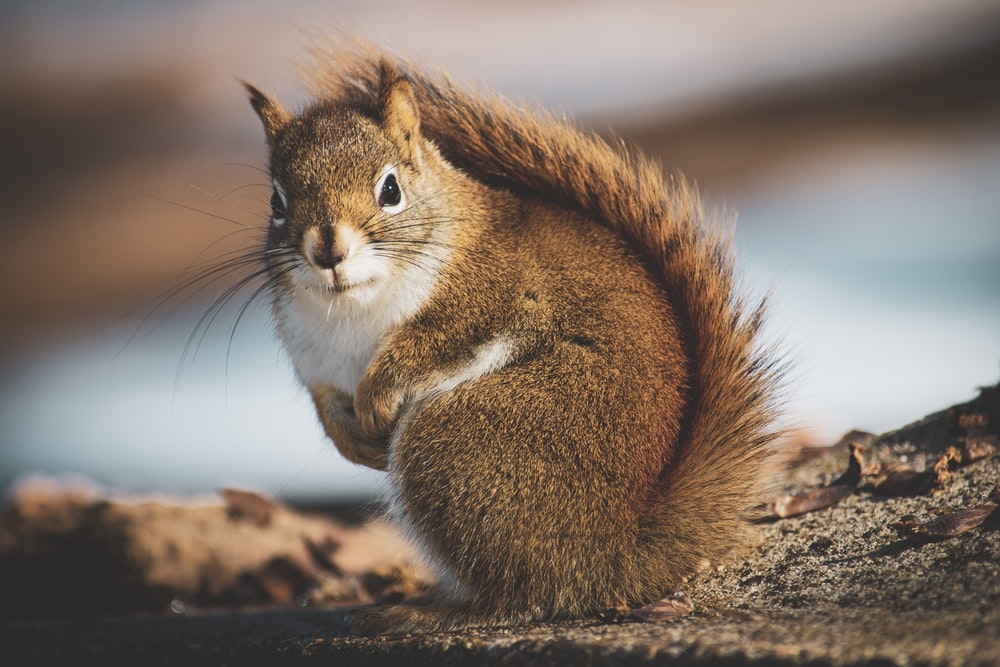
Squirrels are some of the easiest wild animals to watch at home. They are active during the day, they are bold enough to come close, and they spend much of the year busy with the same few jobs: finding food, storing it and building nests. With the right food, trees and a little shelter, most yards near woodland or mature street trees can become a regular stop.
This guide covers what squirrels need, how to feed them responsibly, and what to think about before you invite them in.
Know which squirrels live near you
In North America the squirrel most people see is the eastern gray squirrel, which has also spread to parts of the West and to Britain. The larger fox squirrel is common across the central and eastern United States, and the small, noisy red squirrel prefers conifer forests in the north and in the mountains. Southern and northern flying squirrels are widespread too, but they come out only at night, so many homeowners never realize they are there.
The species around you matters less than you might think. Tree squirrels share the same basic needs, and a yard that provides them will attract whichever ones live nearby.
What squirrels eat
Squirrels are not strictly nut eaters. Their natural diet includes:
Nuts and acorns, which they bury in autumn and dig up through winter
Seeds, including pine cone seeds and sunflower seeds
Tree buds, flowers and fruit in spring and summer
Fungi, and occasionally insects or bird eggs
The best food you can offer is close to what they would find on their own.
Good choices: unsalted peanuts in the shell, walnuts, hazelnuts, pecans and acorns; black oil sunflower seeds; pumpkin seeds; small pieces of apple, pear or berries.
Offer sparingly: dried corn. Squirrels love it, but it is low in nutrients and should be a treat rather than the main menu.
Avoid: salted, sugared or roasted-and-seasoned nuts, bread, crackers, chips and other processed food. These fill squirrels up without giving them what they need.
Put out only what they will finish in a day or two. Food that sits for days goes moldy, attracts rats and teaches squirrels to rely on you instead of foraging.
Set up a feeding station
A dedicated squirrel feeder keeps the visits predictable and keeps squirrels away from your bird feeders.
A platform or tray feeder mounted on a post or tree trunk is the simplest option. Choose one with drainage holes so food does not sit in water.
A box feeder with a hinged lid makes squirrels work for their food, which is entertaining to watch and slows down how fast it disappears.
Corn cob spinners and hanging "picnic table" feeders are fun extras, but keep corn to a small share of what you offer.
Place the feeder 10 to 15 feet from a tree or fence so squirrels feel safe getting to it, and well away from your house so you do not draw them toward the roof and eaves. If you also feed birds, putting the squirrel feeder on the opposite side of the yard usually reduces raids on the bird feeders.
Provide water
Squirrels need to drink every day, and a dependable water source is often more of a draw than food in hot or dry weather. A shallow bird bath, or a wide dish with a few stones in it, works well. Change the water every couple of days to keep it clean, and in winter a heated bird bath gives every visitor in the yard somewhere to drink.
Plant the trees and shrubs they rely on
Feeders bring squirrels in quickly, but trees are what make a yard part of their territory. Oaks, hickories, walnuts, beeches and hazels produce the nuts squirrels store for winter. Maples, pines and spruces offer seeds and buds, and fruiting shrubs such as serviceberry add summer food.
Trees take years to mature, so if you are planting for the future, start with a native nut tree suited to your region and add shrubs for food and cover in the meantime.
Give them shelter and a place to nest
Squirrels build two kinds of homes: leafy nests, called dreys, high in the branches, and dens in tree cavities. Mature trees with dead limbs or hollows are prime real estate, so leave them standing where it is safe to do so.
You can also put up a squirrel nest box. A typical box is a sturdy wooden box roughly 10 inches square and 20 inches tall, with an entrance hole about 3 inches across near the top, mounted on a tree trunk 15 to 20 feet off the ground. Untreated wood is best, and a few small drainage holes in the floor keep it dry. Put the box up in late summer so squirrels can find it before winter.
Dense shrubs, brush piles and climbing routes between trees help too. Squirrels feel safer when they can reach cover quickly.
Keep squirrels safe
Keep cats indoors. Free-roaming cats are one of the main threats to squirrels and birds in backyards.
Do not hand-feed squirrels. Animals that lose their fear of people are more likely to approach strangers, get into houses, or bite.
Avoid rodent poisons and glue traps anywhere in the yard. They do not distinguish between pests and the animals you are trying to attract.
Clean feeders and water dishes regularly to prevent the spread of disease.
Think about the downsides first
Squirrels are charming, but they are also persistent. Before you start feeding, it is worth knowing that they may:
Empty bird feeders unless you use baffles or squirrel-resistant designs
Dig up freshly planted bulbs and bury nuts in your lawn and planters
Chew on wooden decks, garden furniture and outdoor wiring
Move into attics, sheds and wall cavities if they find a way in
Check your roofline, vents and soffits for gaps and seal them before you begin. Keeping the feeding station well away from the house, and trimming branches that overhang the roof, will go a long way toward keeping squirrels in the garden and out of the attic.
Some towns and homeowners' associations also restrict feeding wildlife, so check local rules if you are unsure.
The bottom line
To attract squirrels, give them what a good woodland gives them: nuts and seeds, a reliable water source, trees to climb and somewhere to nest. Feed in moderation, keep the food natural, and set things up away from your house. Within a few weeks you are likely to have regular visitors, and a front-row seat to their daily routines.