How to Hang Outdoor String Lights: A Step-by-Step Guide and 14 Ideas
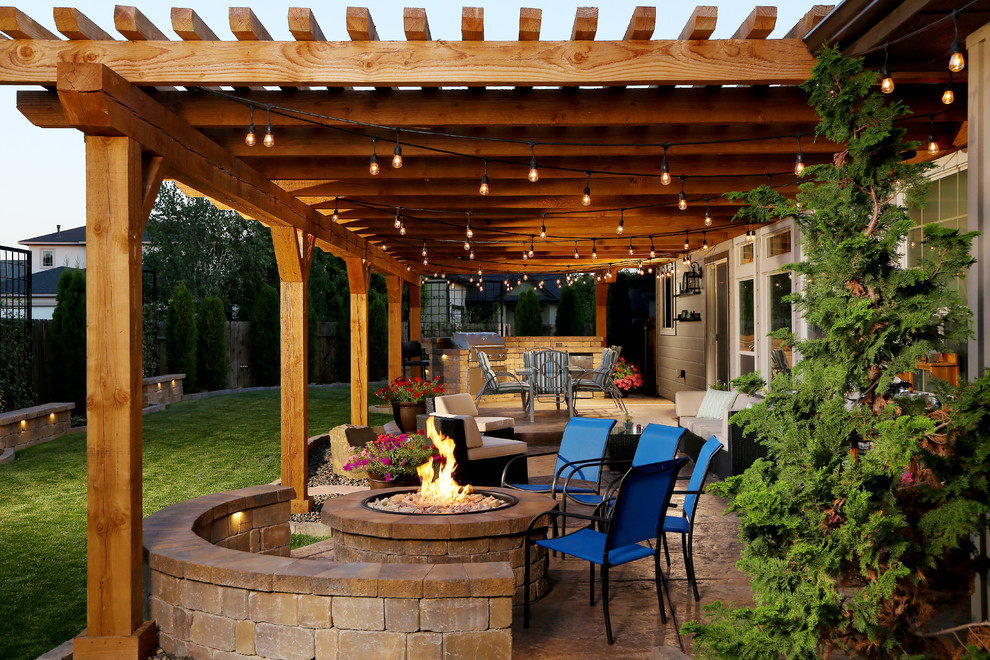
String lights are one of the quickest ways to make a patio, deck or backyard feel inviting after dark. Hanging them well takes a little more than looping a cord over a few nails, though. Lights that sag, pull out of the wall or trip the outlet every time it rains spoil the effect fast.
This guide walks through how to plan, support and power outdoor string lights so they look good and stay up for years, then shows 14 ways to use them around the yard.
Step 1: Plan the layout
Start by deciding what you want to light and how. Common layouts include:
Perimeter: lights run along the edges of a patio, fence or roofline.
Zigzag: lights cross back and forth over a space, creating a canopy.
Starburst: several strands run from a central point, such as a tree or pole, out to the edges.
Straight runs: single strands from the house to a tree, post or pergola.
Sketch the space and mark every point where the lights will attach. Then measure the distance between those points, adding some extra for a gentle drape. This tells you how many feet of lights you need.
Step 2: Choose the right lights
Rated for outdoor use. Check the packaging for an outdoor or wet-location rating.
Commercial-grade strands have thicker cords and sturdier sockets than decorative indoor strings, and they last much longer outdoors.
LED bulbs use a fraction of the power of incandescent bulbs, run cool and break less easily, especially in shatterproof plastic.
Warm white (around 2,200 to 2,700K) gives the classic café look.
Connectable runs. Note the maximum number of strands the manufacturer allows you to connect end to end, and stay within it.
Step 3: Plan the power
Outdoor lights should plug into an outdoor outlet with GFCI protection, which cuts the power if water causes a fault. Use only extension cords rated for outdoor use, keep connections off the ground and away from puddles, and cover plug connections with a weatherproof box. A plug-in timer or smart plug lets the lights switch on at dusk without you having to remember.
Step 4: Install anchor points
Every attachment point needs to be solid, because a long run of lights pulls harder than you might expect, especially in wind.
Wood: screw cup hooks or eye screws into solid wood such as fascia boards, beams or fence posts, not thin trim.
Brick, stone and stucco: use masonry anchors with hooks, drilled into the mortar or surface, or no-drill clips where you do not want holes.
Trees: use tree straps or loosely tied rope rather than nails or screws, which damage the tree. Leave room for growth.
Open space: where there is nothing to attach to, use poles. A 4x4 post or metal pole set in a heavy planter or a bucket of concrete makes a sturdy freestanding support.
Step 5: Run a guide wire for longer spans
For spans longer than about 10 to 15 feet, run a steel guide wire between anchor points first and tension it with a turnbuckle. Then clip or zip-tie the lights to the wire. The wire takes the weight and the wind load, so the light strand itself is never stretched. This is the single biggest difference between lights that look professional and lights that sag.
Step 6: Hang the lights
Plug the strands in and test them on the ground before you climb a ladder. Then hang them, starting at the end closest to the power source. Attach the cord at each anchor point with a hook, clip or zip tie, leaving a gentle, even drape between points. Keep the lights high enough for people to walk under comfortably. Around 8 to 9 feet above the ground is typical over a patio.
Always use a stable ladder on firm ground, and have someone hold it.
14 ideas for outdoor string lights
Here are some of the most popular places to hang string lights, with tips for each.
1. Over an open patio or seating area
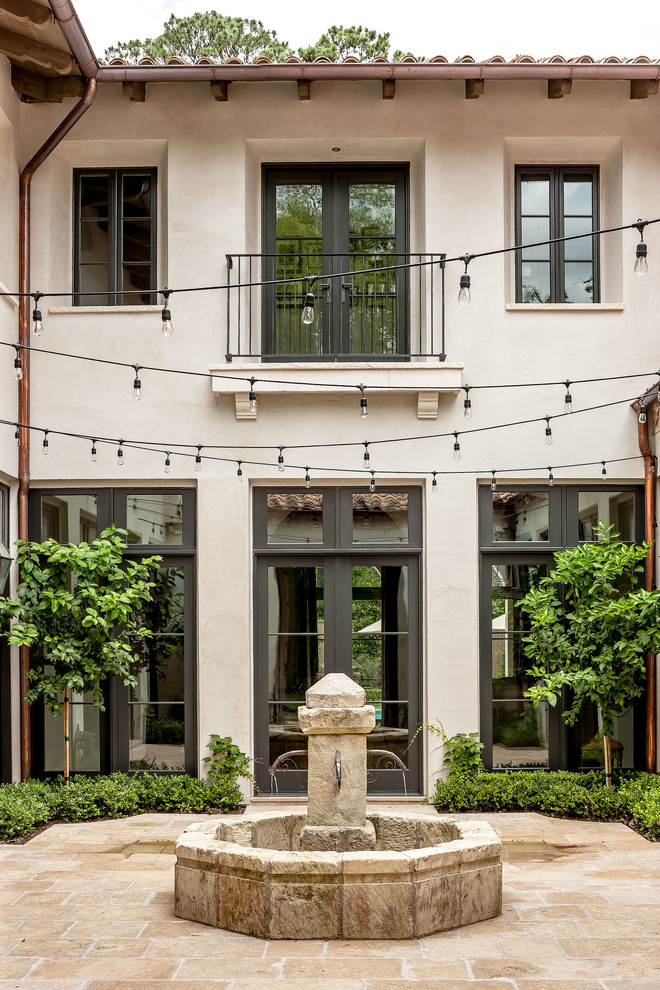
A canopy of lights over an open space defines it as an outdoor room. Use poles at the corners and a zigzag or crisscross layout, with a guide wire for each span.
2. Around the fire pit
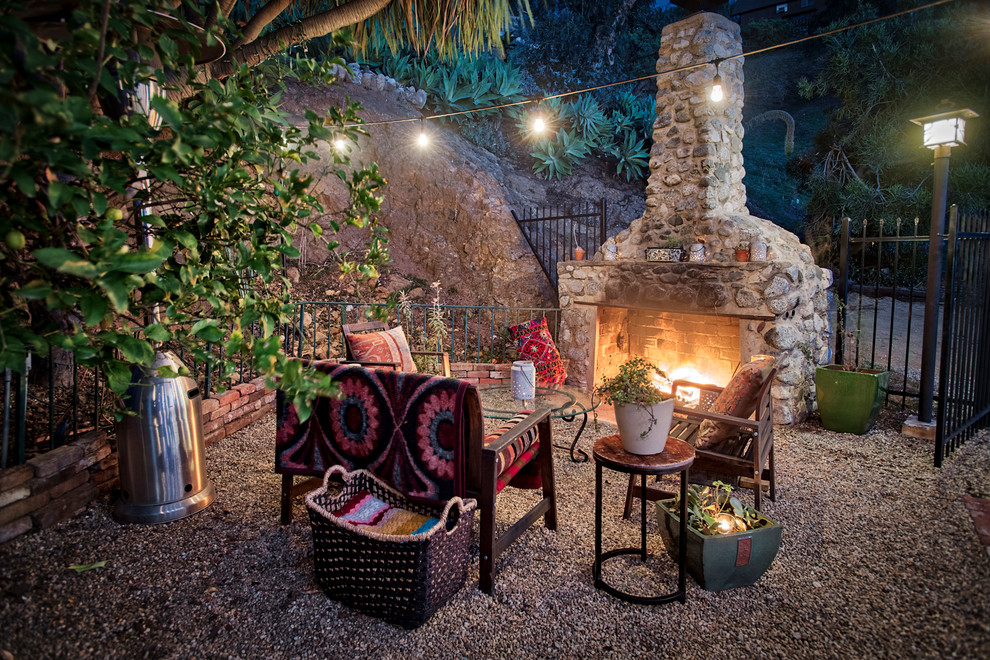
String lights above a fire pit make a cozy gathering spot. Keep them well above and away from the flames and rising heat, and use poles or nearby trees as anchors.
3. Wrapped around tree trunks and branches
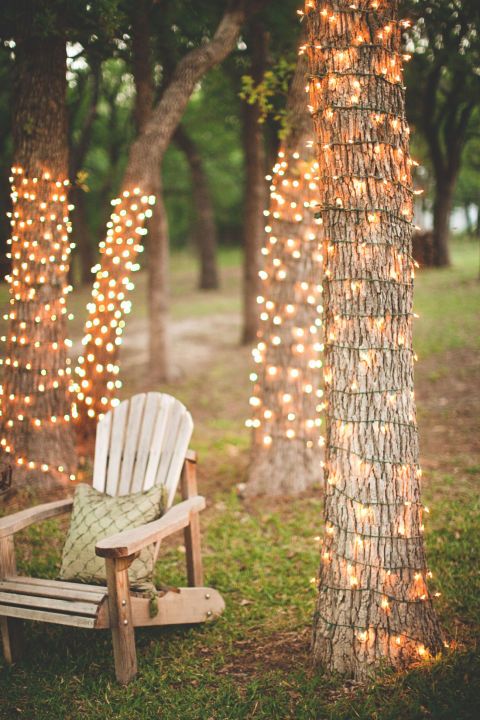
Wrapping a trunk in a spiral, or running lights along the lower branches, turns a single tree into a focal point. Wrap loosely and remove the lights periodically so they do not cut into growing bark.
4. Strung between poles when there are no trees
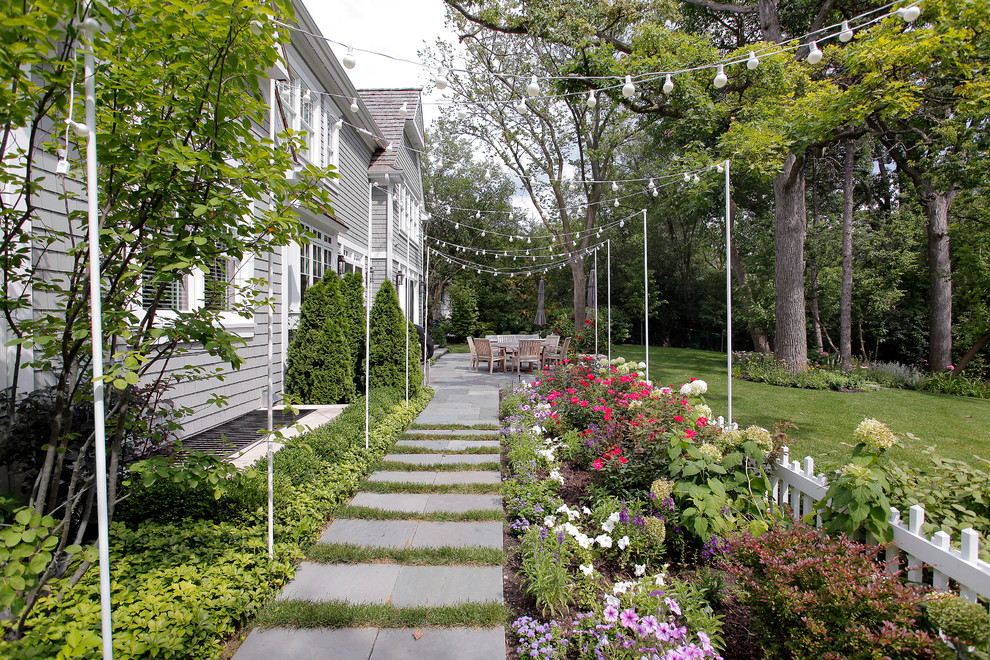
No trees? Set posts in heavy planters or in concrete-filled buckets and position them where you want the lights. Planters filled with flowers or herbs make the posts look like part of the garden.
5. Along the edge of a porch
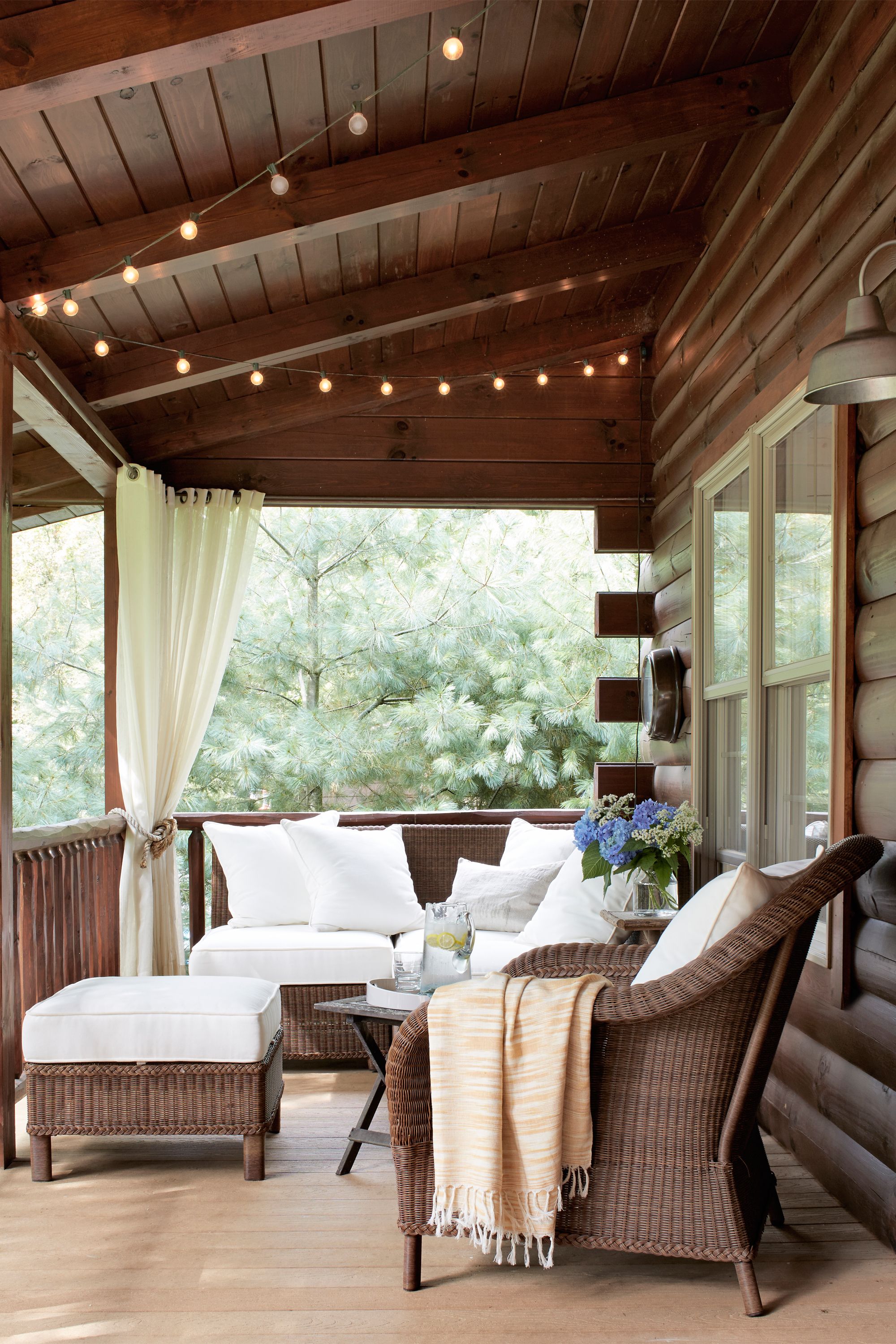
A row of bulbs along the porch eaves or railing adds a welcoming glow. Small cup hooks screwed into the fascia every couple of feet hold the strand neatly.
6. Along a privacy fence
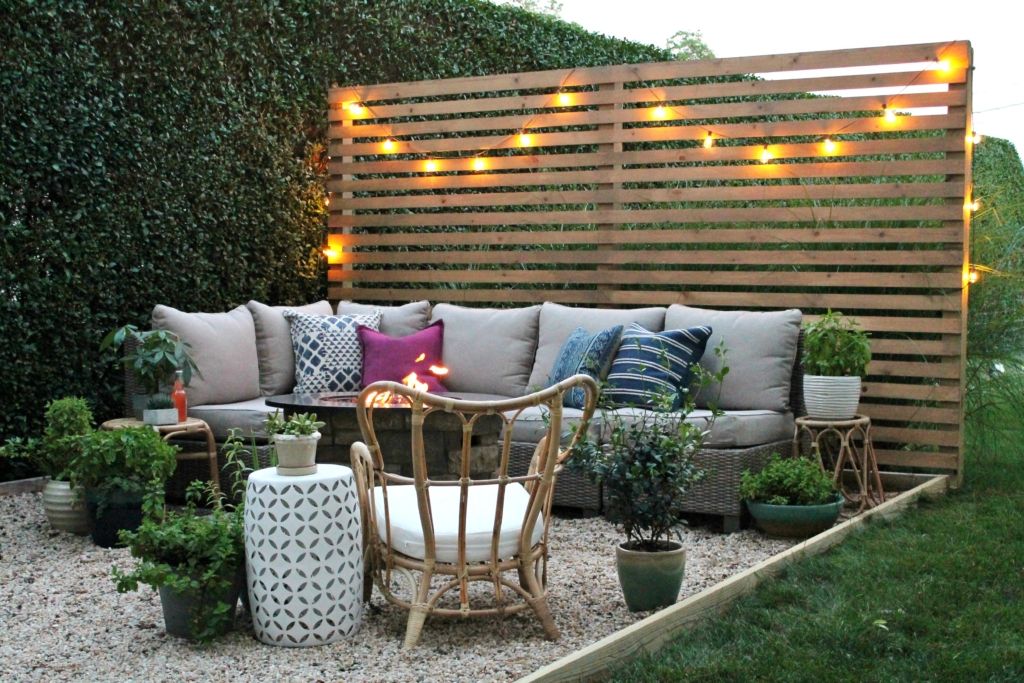
A plain fence becomes a backdrop when you run lights along the top rail. Screw hooks into the posts, where the wood is thickest, rather than into the boards between them.
7. Under a pergola
A pergola provides a ready-made frame. Run lights along the beams or in a zigzag across the rafters, attached with hooks or zip ties.
8. For an outdoor party
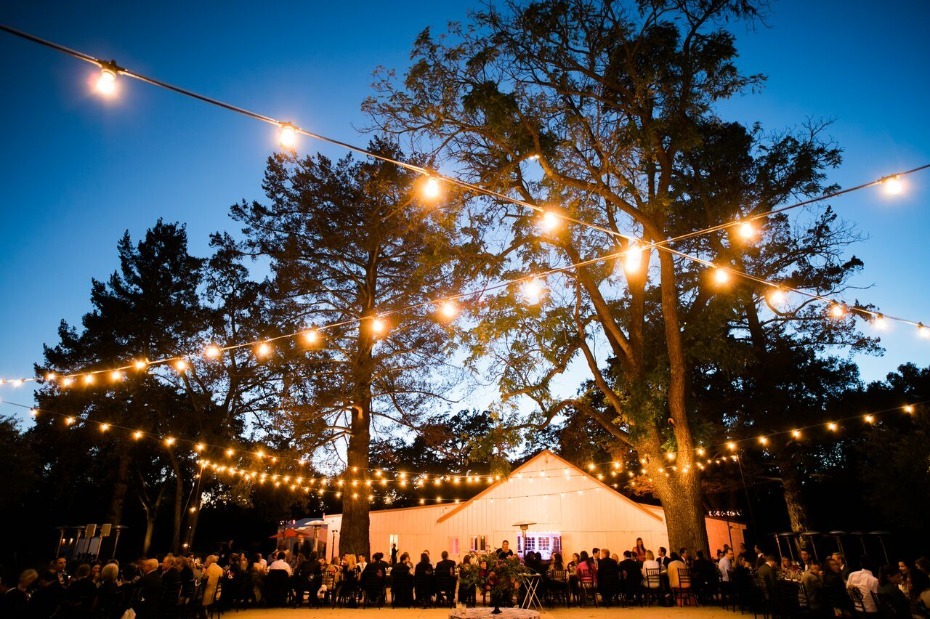
For a one-off event, freestanding poles and a few strands can light a temporary dance floor or dining area. Plan the power route and tape down or cover any cords that cross walkways.
9. On a balcony
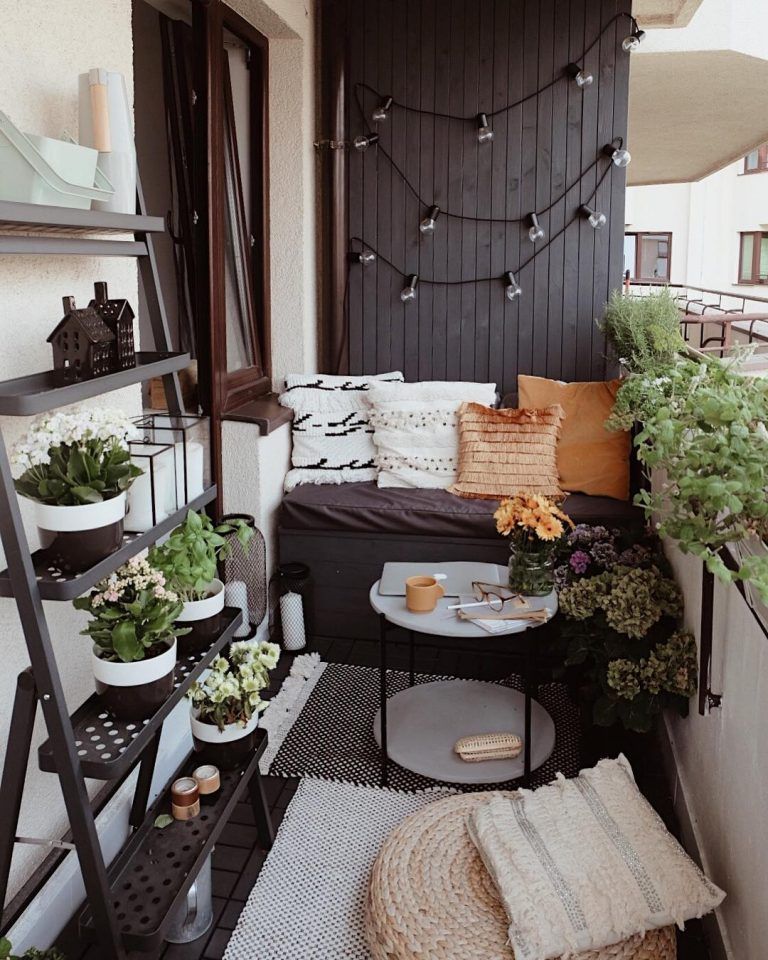
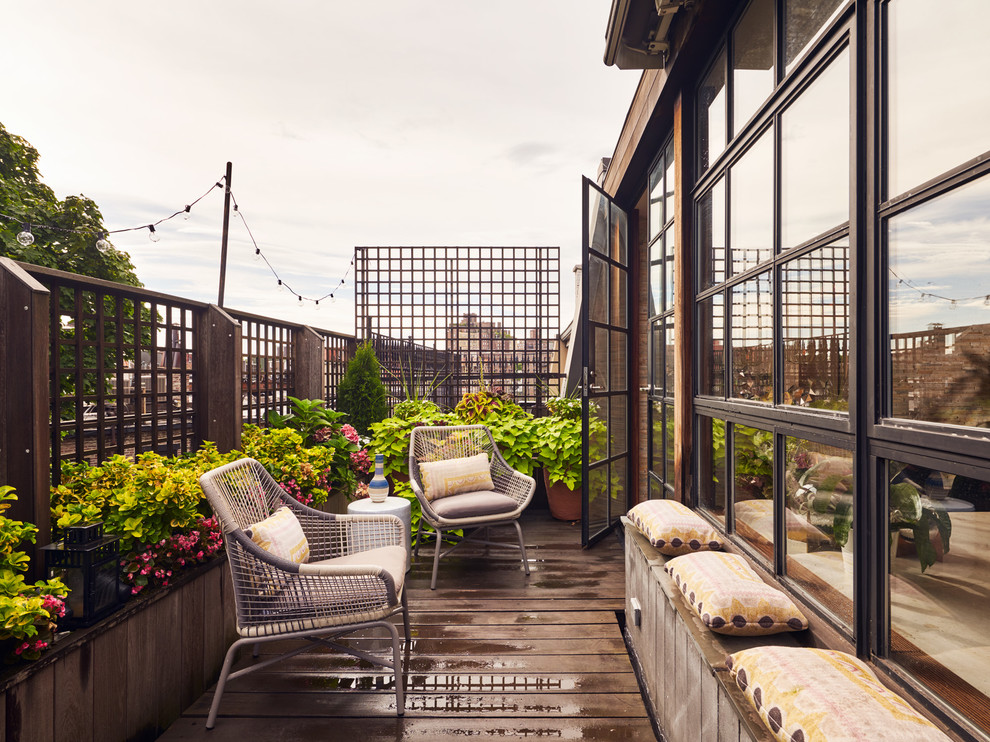
On a balcony, run lights along the railing or overhead between walls. Renters can use adhesive outdoor hooks or clamp-on railing hooks to avoid drilling, and check building rules before attaching anything to walls.
10. Around a back patio
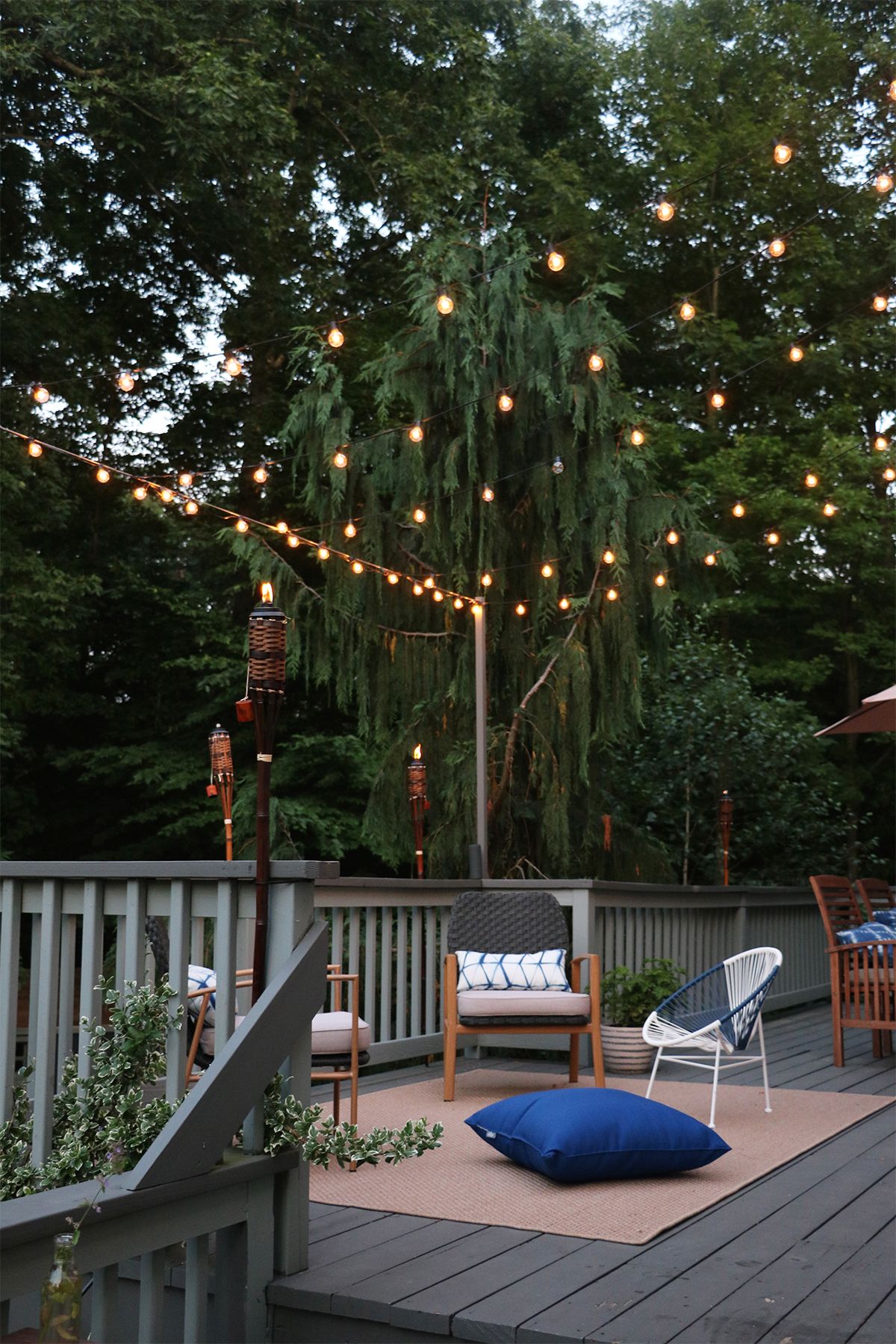
Outlining the edges of a patio, with lights running from the house to posts at the far corners, gives a soft, even light for evening meals and conversation.
11. Above an outdoor dining table
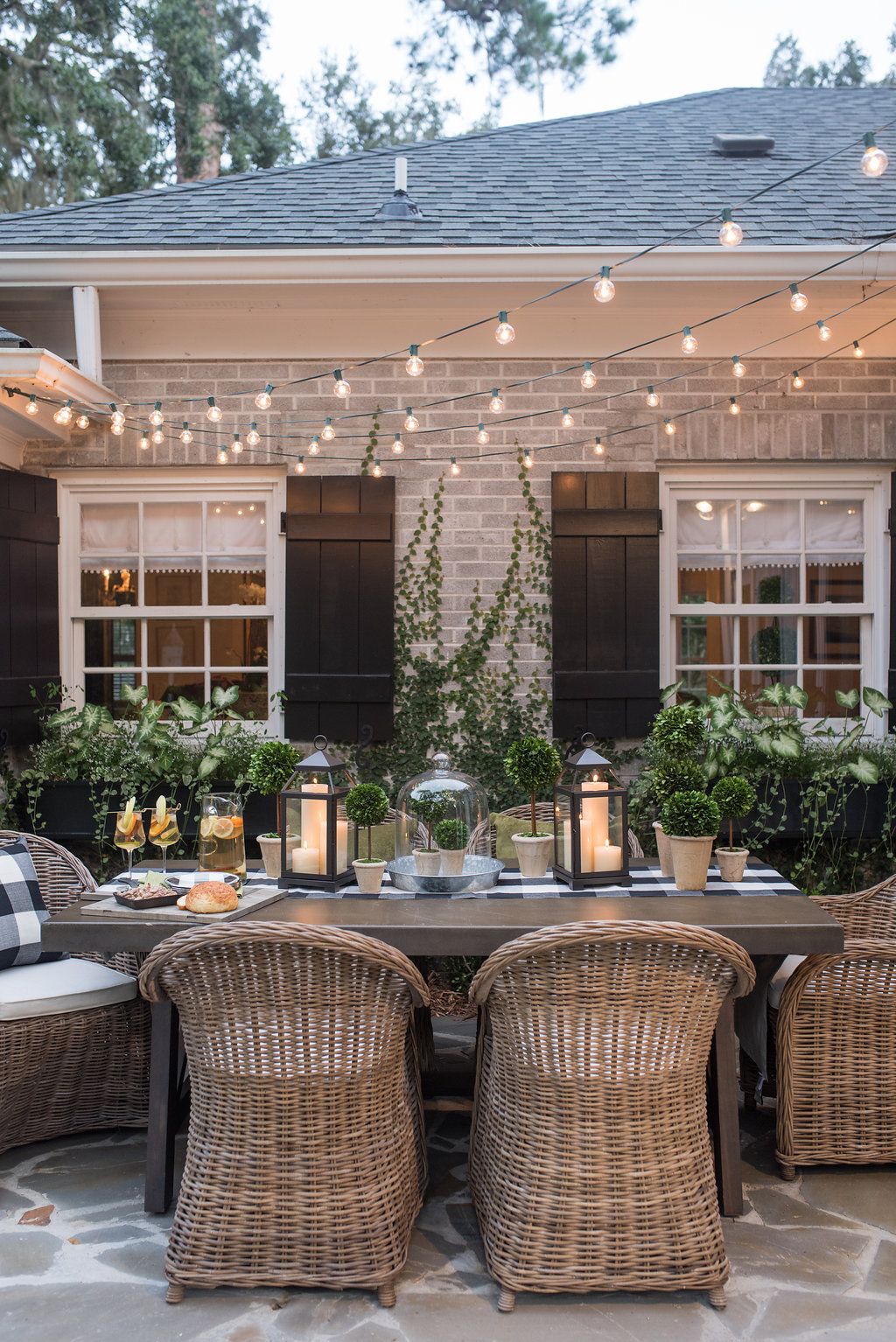
A few strands running directly above the table create a café feel. Center the layout on the table and hang the lights high enough not to dazzle people sitting under them.
12. To create an outdoor living room
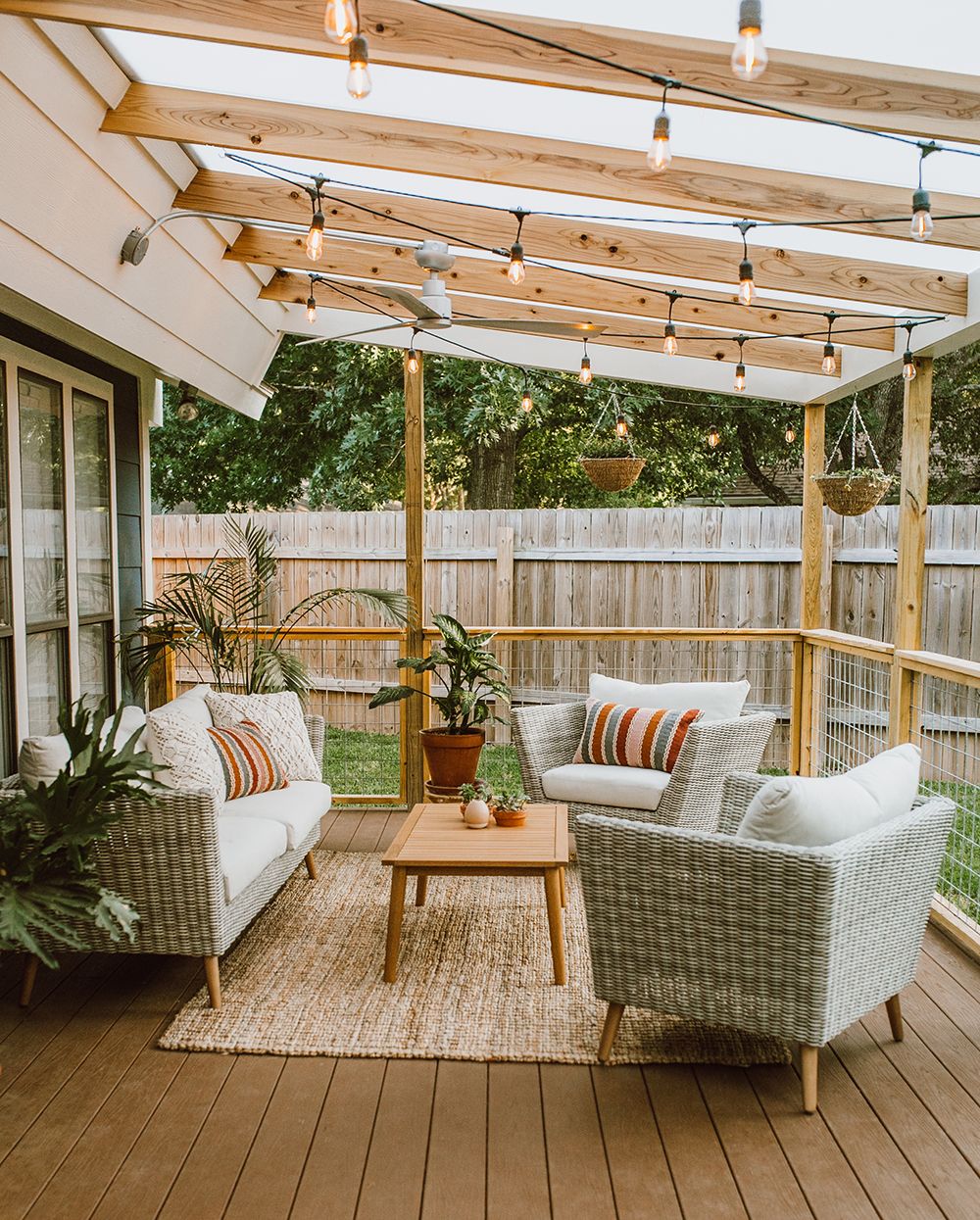
Combined with an outdoor rug, a sofa and planters, lights overhead turn a corner of the yard into a lounge. A dimmer or smart plug lets you change the mood for different occasions.
13. As a backdrop
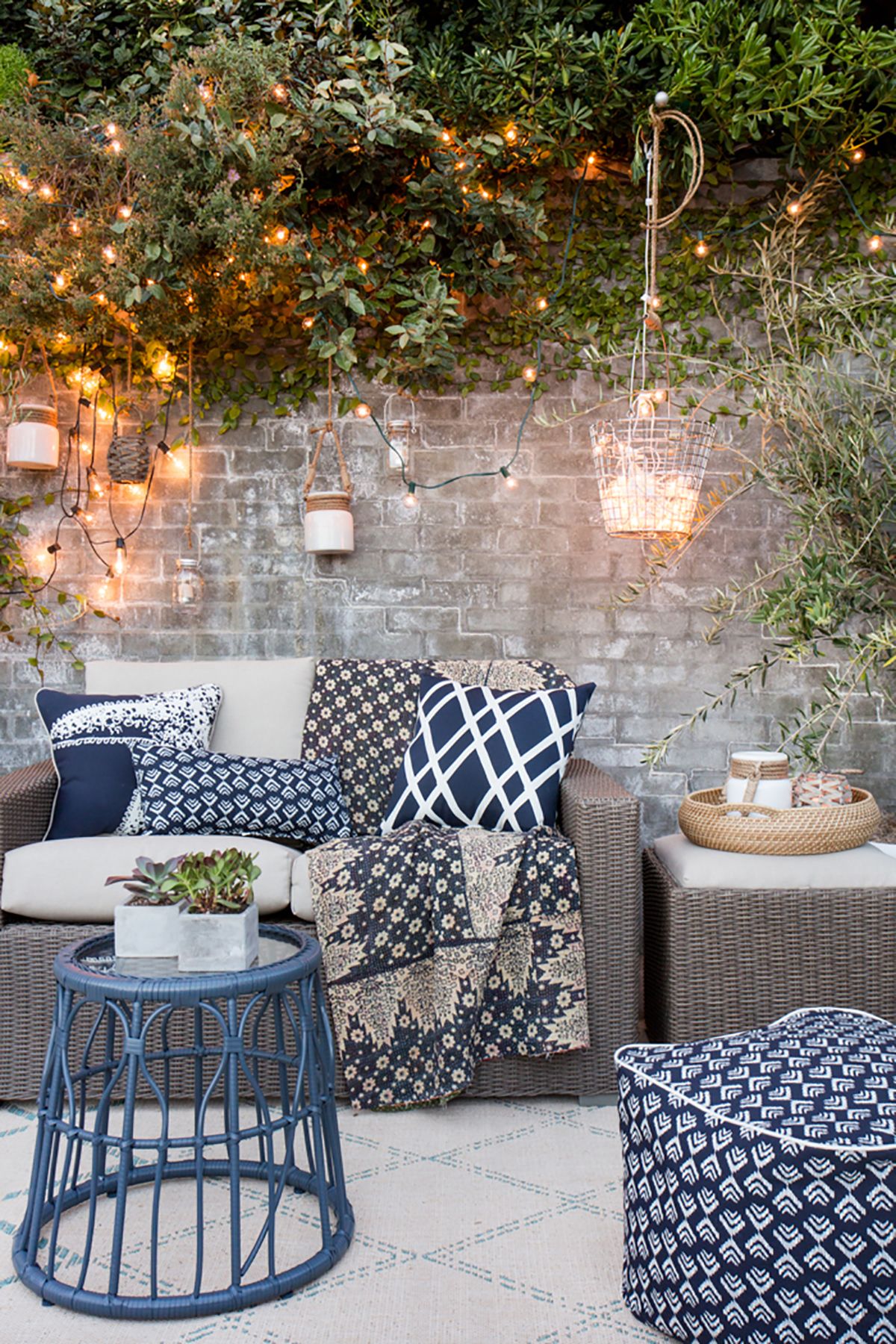
Hanging lights vertically, like a curtain, against a wall, fence or hedge makes a striking backdrop for a seating area, a bar or photos.
14. Without drilling
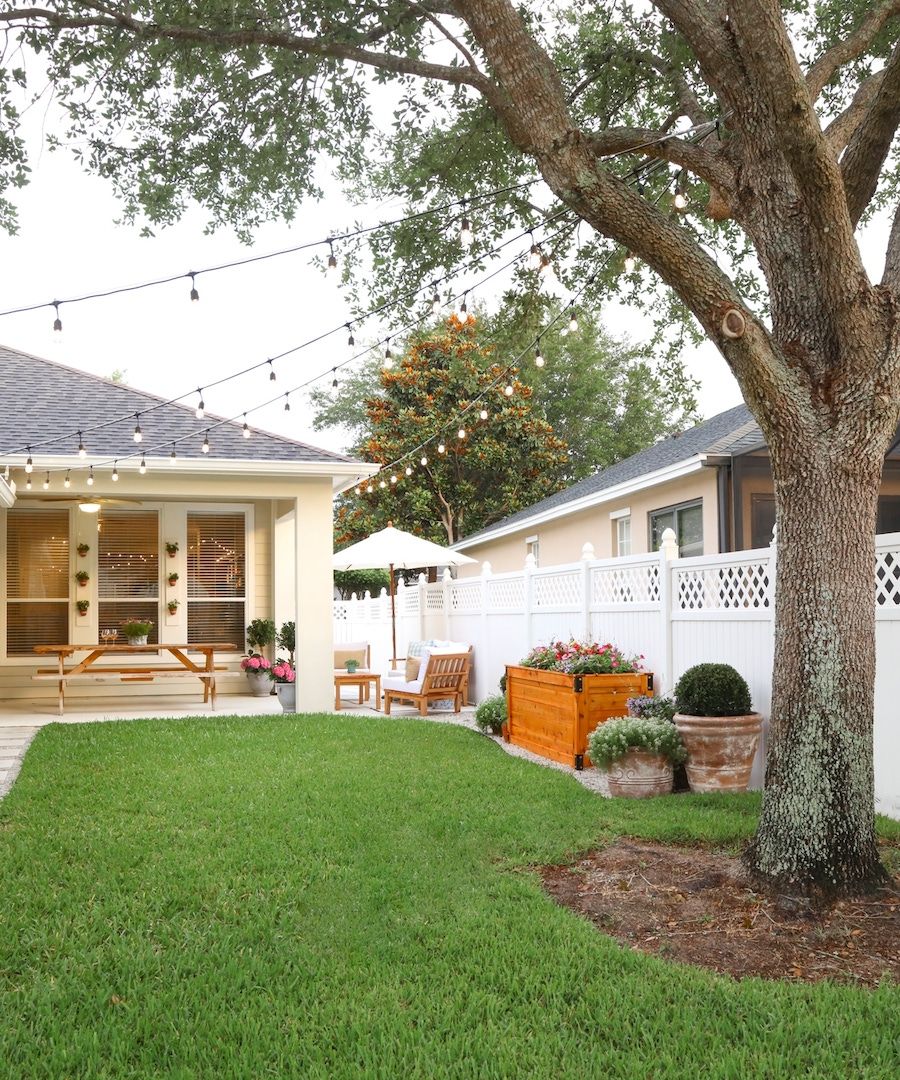
Where drilling is not an option, use gutter hooks that clip onto the edge of the gutter, adhesive hooks rated for outdoor use, shingle clips, or tension rods and freestanding poles.
More ways to hold the lights up
Freestanding stands
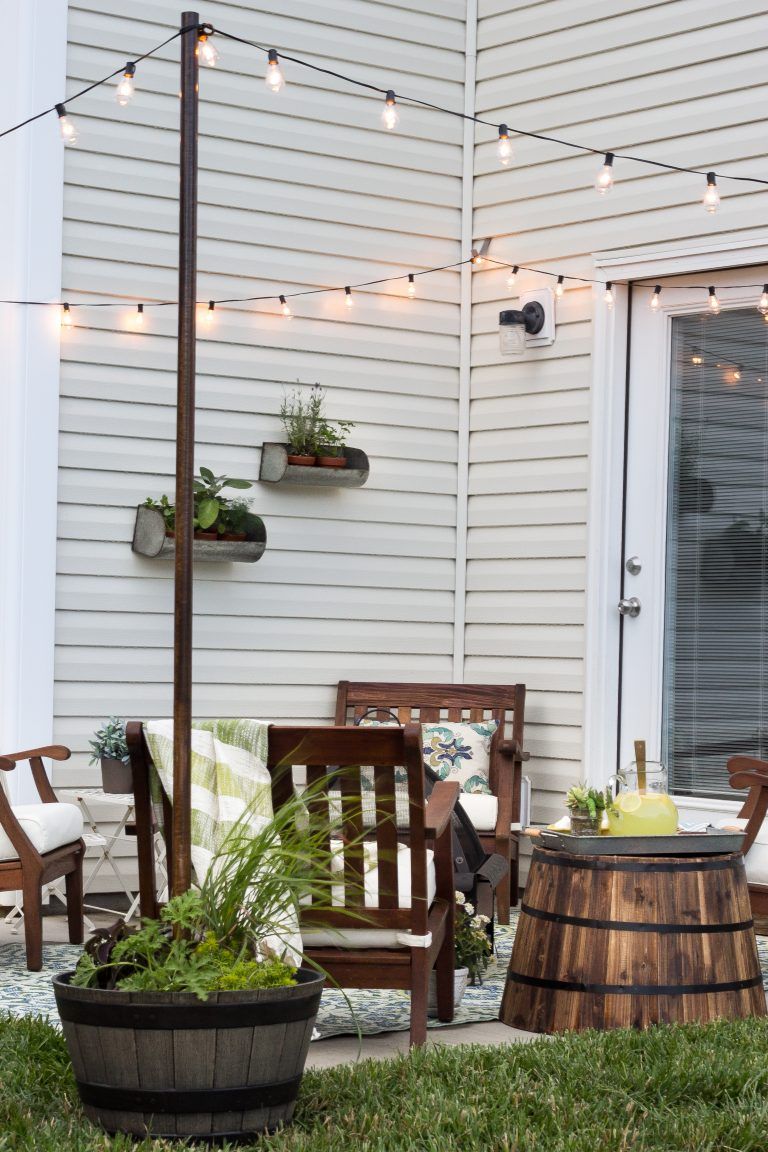
Ready-made string light poles with stake or weighted bases are an easy option for lawns and decks, and they can be moved or stored when not in use.
Hanging from trees
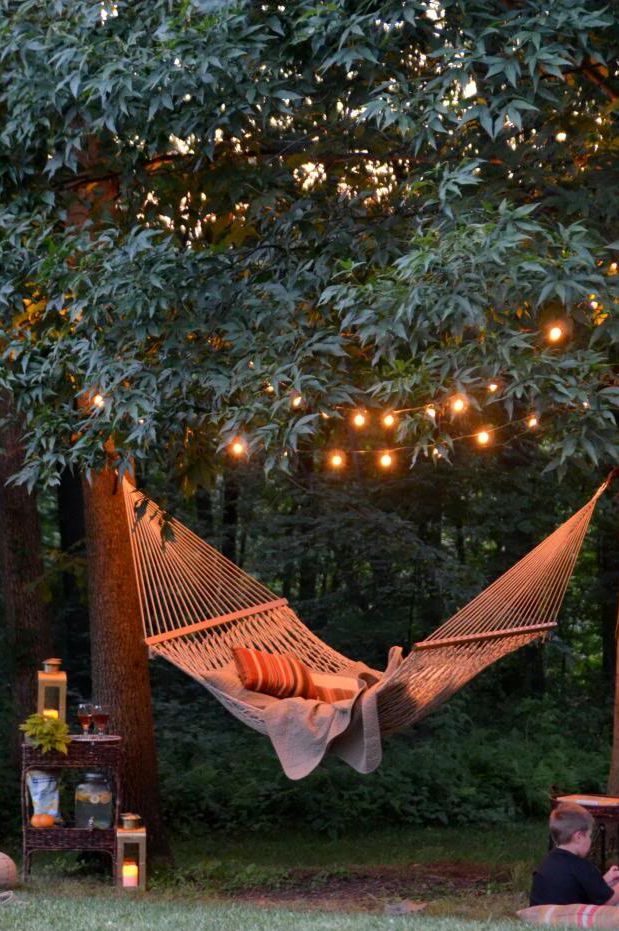
Trees make natural anchor points around the edges of a yard. Use tree straps or rope rather than screws, and check every year that nothing is cutting into the bark.
Common questions
Can you hang lights on stucco without nails?
Yes. Use adhesive hooks rated for outdoor use on smooth stucco, or clips that attach to the gutter or roof edge. For heavier, permanent installations, masonry anchors drilled into the stucco are more secure.
Can you hang outdoor lights on vinyl siding?
Yes, without drilling. Vinyl siding clips hook under the bottom lip of a siding panel and hold the cord securely, and they come off without leaving marks.
How high should patio string lights be?
A common rule is at least 7 feet at the lowest point, and around 8 to 9 feet over seating and walkways so taller people can pass underneath comfortably.
Can string lights stay up all year?
Commercial-grade, outdoor-rated lights are built to stay up year-round. Check them each season for damaged cords or sockets, and take decorative or lightweight strands down in winter storms.
The bottom line
To hang outdoor string lights that last, plan the layout first, choose outdoor-rated lights, power them from a GFCI outlet, and give every span a solid anchor, using a guide wire on the longer spans. Get those basics right and the creative part, deciding where to hang them, is the easy bit.