9 Types of Trampolines and How to Choose One for Your Backyard
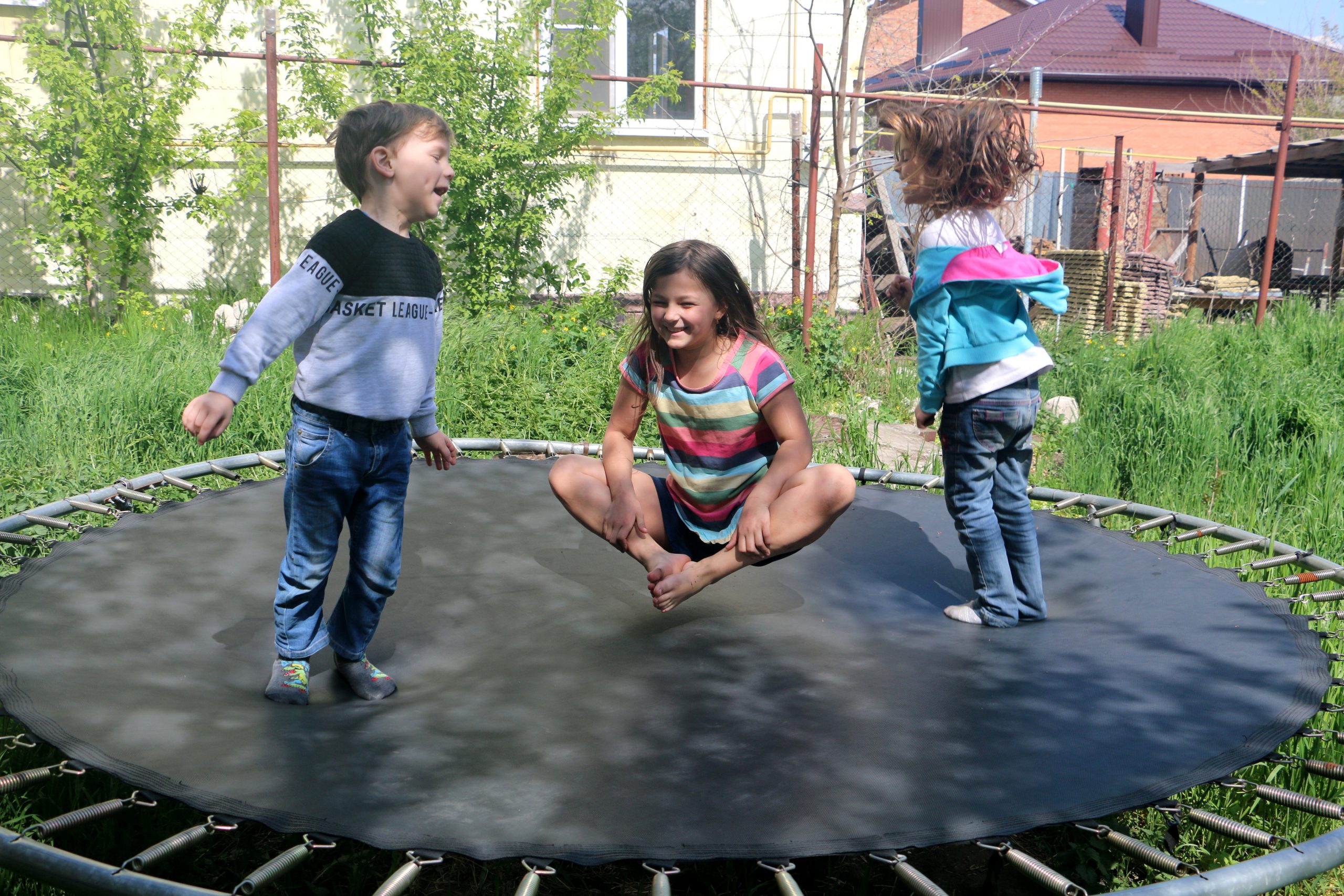
The modern trampoline was built in the 1930s by George Nissen and Larry Griswold, gymnasts at the University of Iowa. It was used to train pilots during World War II, went on to become a backyard favorite, and trampolining has been an Olympic sport since the 2000 Sydney Games.
Today trampolines come in many shapes and sizes, and the shape is more than a matter of looks. It changes how the trampoline bounces, how much room it needs and who it suits best. Here are the main types, followed by what to check before you buy and how to keep jumping safe.
Round Trampolines
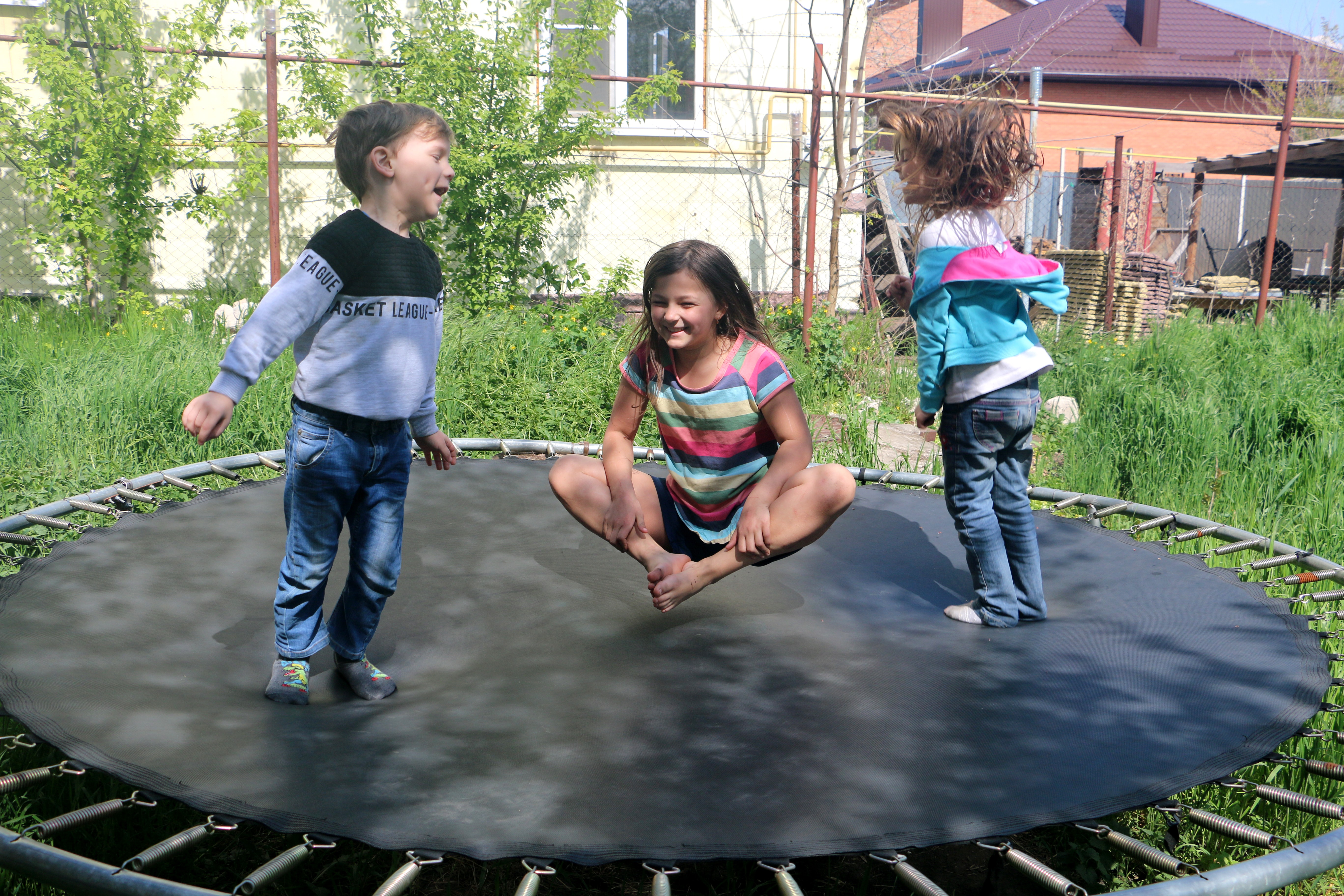
Round trampolines are the most common type for homes. Because the springs pull evenly from every side, the bounce tends to push the jumper back toward the center of the mat, which helps keep them away from the frame and edges.
They are usually the most affordable option and come in a wide range of sizes, typically from about 8 to 16 feet across. The trade-off is a softer, less powerful bounce than a rectangular trampoline, and a round shape uses garden space less efficiently than a rectangle in a long, narrow yard.
Octagonal Trampolines
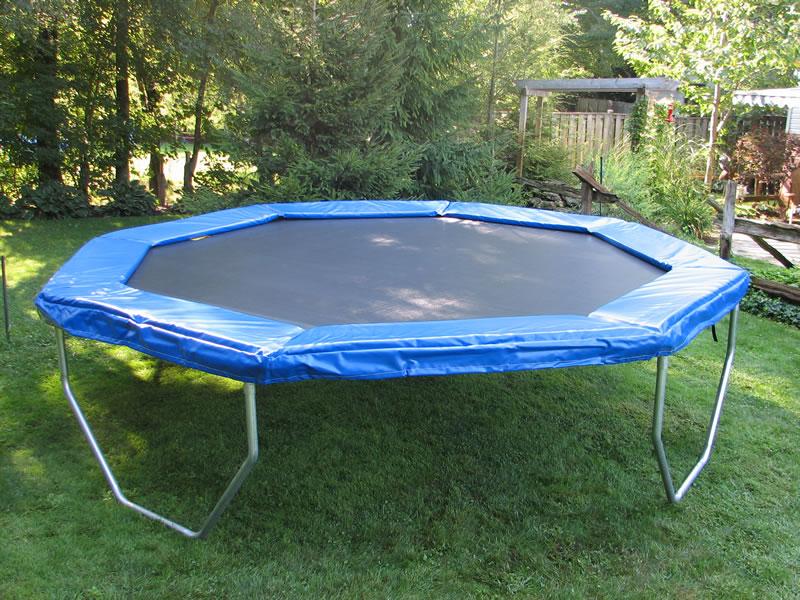
An octagonal trampoline has eight sides, which gives it slightly more jumping surface than a round one of the same width. It keeps much of the round trampoline's centering effect, while the flatter sides make it a little easier to attach a ladder and to fit along a fence or wall.
Rectangular Trampolines
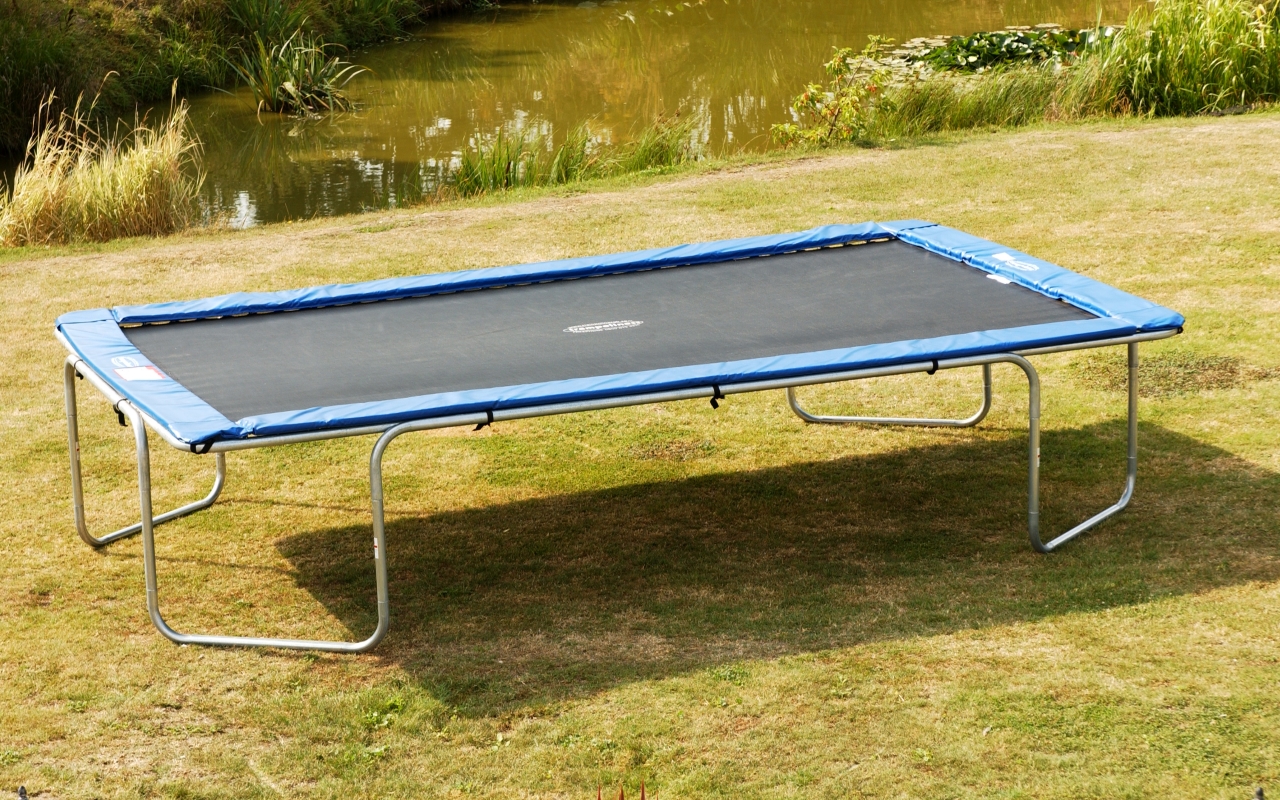
Rectangular trampolines are the type gymnasts and athletes train on. Each spring works more independently, so the bounce is higher and more even across the whole mat, and the jumper has more control. That makes them good for practicing skills, but it also means the bounce does not guide a jumper back to the center the way a round trampoline does.
They usually cost more, need more space for the same jumping area, and are better suited to older children, teenagers and adults.
Square Trampolines
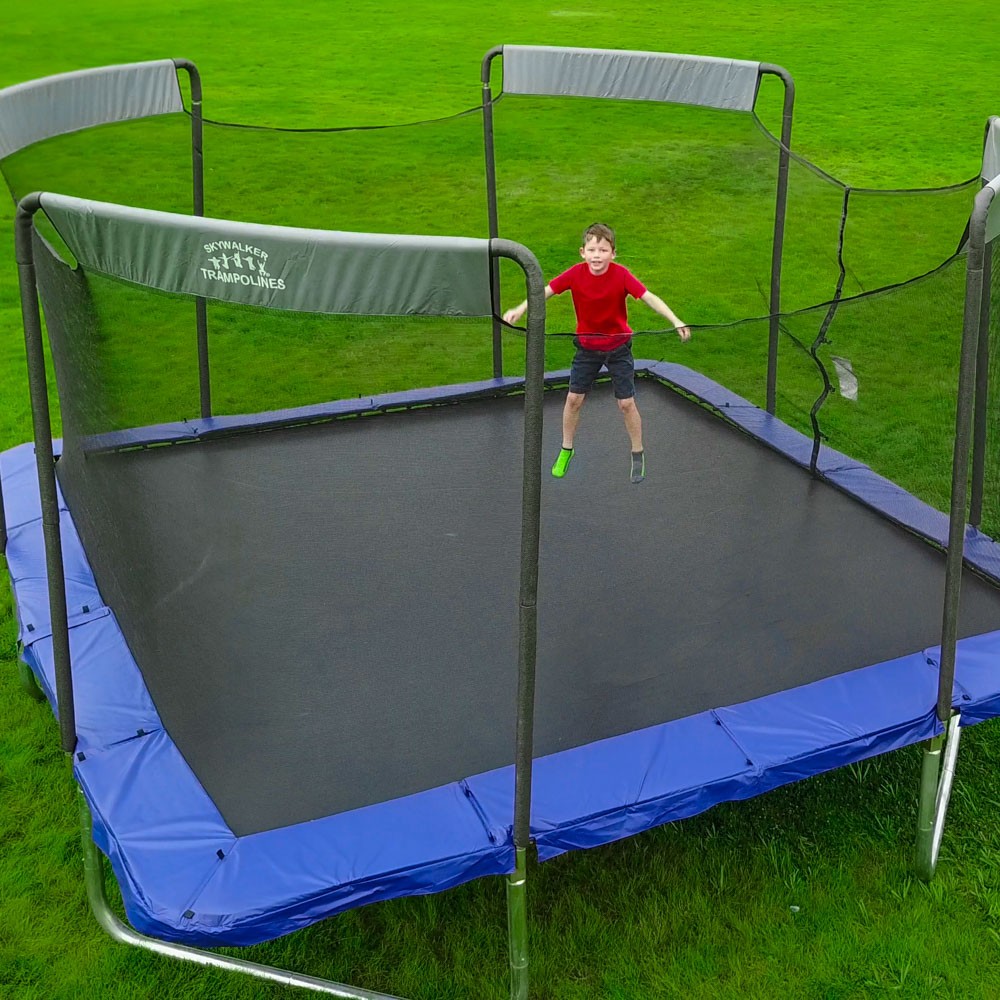
A square trampoline offers some of the bounce of a rectangular model with a larger jumping area than a round trampoline of similar width. It fits neatly into the corner of a square yard and gives more room for jumping than a round one of the same width, without the length of a full rectangular trampoline.
Oval Trampolines
An oval trampoline is a compromise between round and rectangular. It gives more length for jumping than a round trampoline of the same width, which suits families with more than one child who take turns, and it fits better in a long, narrow garden.
Mini Trampolines
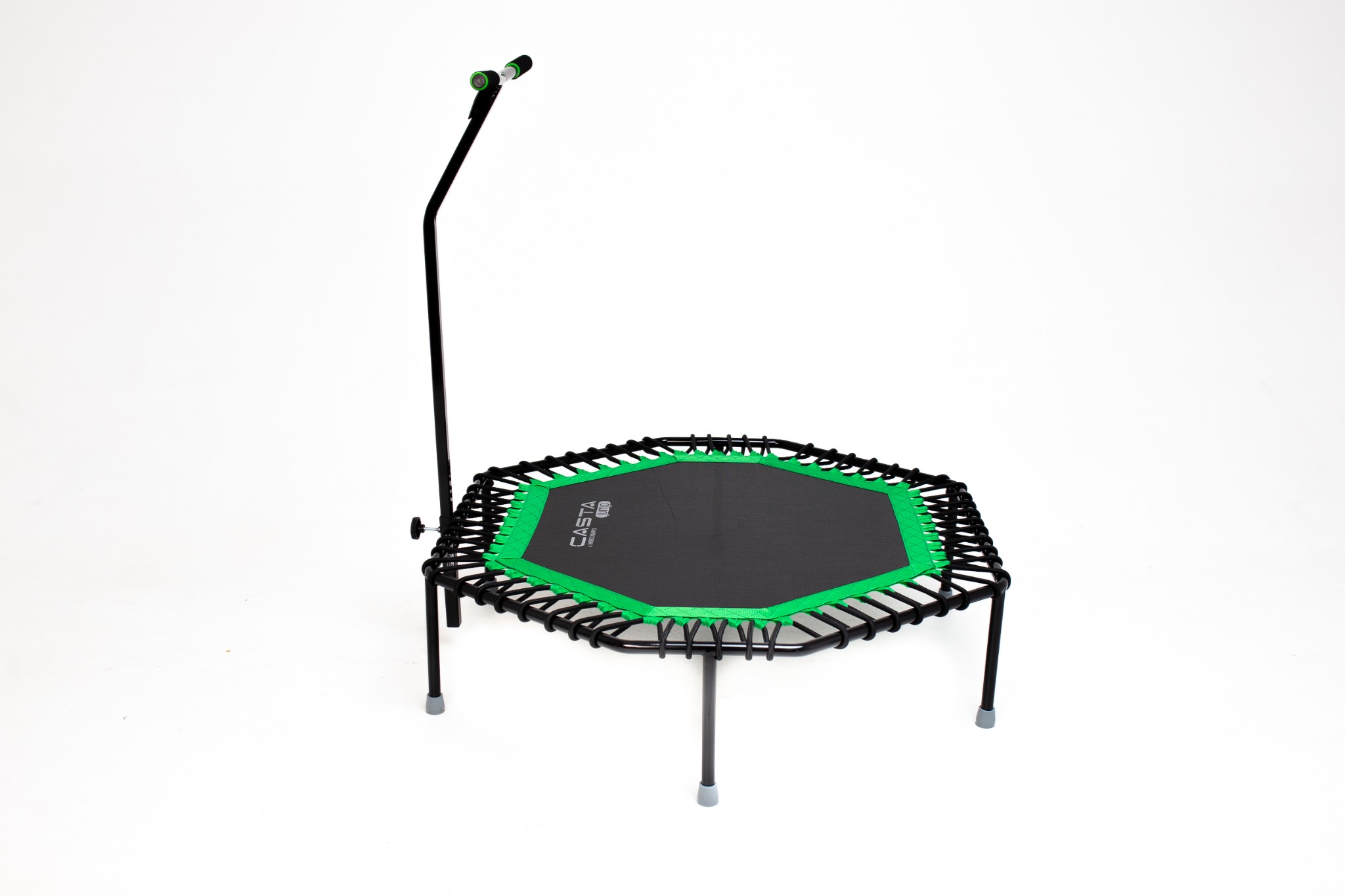
Mini trampolines, often called rebounders, are small fitness trampolines, usually about 3 to 4 feet across and close to the ground. They are designed for low-impact exercise such as jogging in place and gentle bouncing, and many models fold for storage indoors.
Some come with a handle bar for balance. They are an exercise tool rather than a play trampoline, and they are not built for high jumps or for children to play on unsupervised.
Enclosed Trampolines
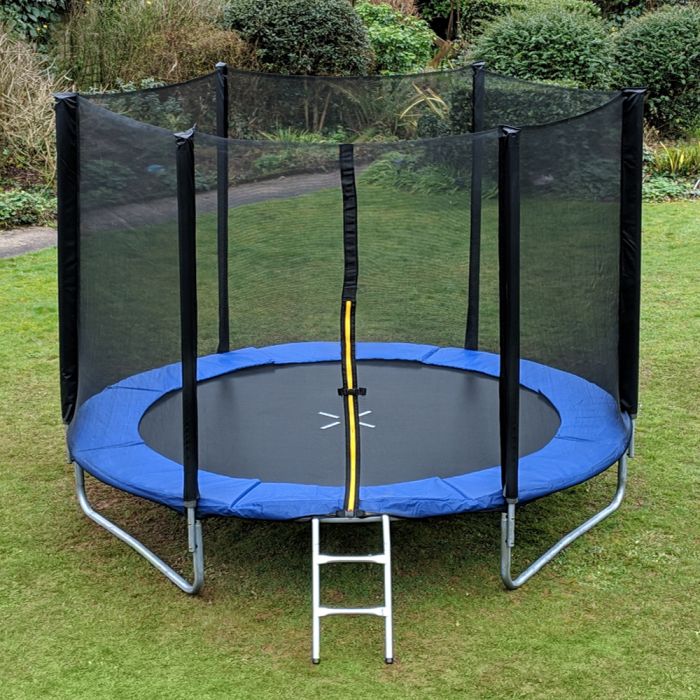
An enclosed, or caged, trampoline has a safety net around the jumping area held up by padded poles. The enclosure keeps jumpers from falling off the edge, which is one of the most common ways people get hurt on trampolines. For backyard trampolines used by children, an enclosure is strongly recommended, whatever the shape.
Look for a net that attaches inside the springs, so jumpers cannot land on them, and padding that covers the poles completely.
Water Trampolines
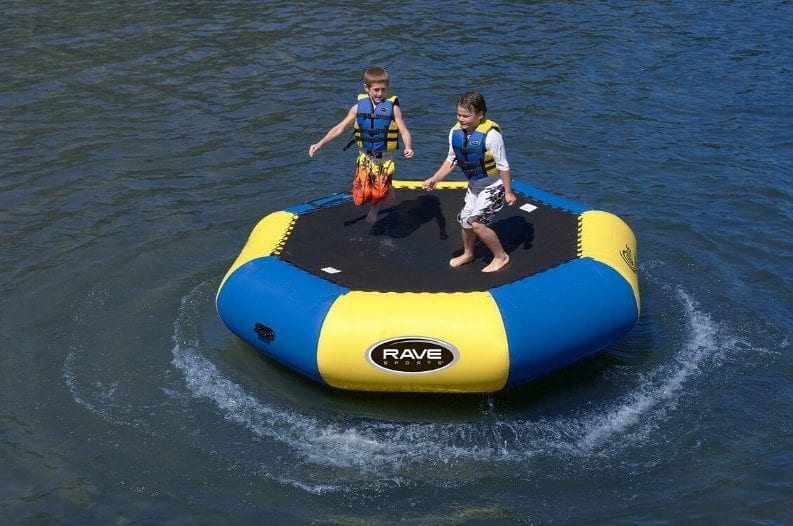
Water trampolines are inflatable rings with a jumping mat stretched across the middle, anchored in a lake or deep pond. Jumpers can bounce and then dive or slide into the water. They need a large, deep, clear body of water, proper anchoring, and life jackets for anyone who is not a strong swimmer.
In-Ground Trampolines
In-ground trampolines sit in a pit so the mat is level with the lawn. They look tidier in the garden and remove the risk of falling from height off the edge. Installation is a bigger job, since the pit needs digging and good drainage, and the frame must be designed for in-ground use.
What to check before you buy
Space. Leave a clear area of several feet on every side, and make sure there are no tree branches, washing lines or overhead wires above it. Place it on soft ground such as grass, not concrete.
Weight limit. Check the maximum user weight, and choose a model suited to the oldest and heaviest person who will use it.
Frame. A galvanized steel frame resists rust and lasts longer outdoors.
Springs or springless. Springless designs use flexible rods or bands instead of springs, which removes a common source of pinched fingers and bruises.
Safety features. Look for a safety net, thick padding over the springs and frame, and a certified safety standard on the box.
How to keep jumping safe
Trampolines cause many injuries every year, mostly sprains and fractures. Pediatric organizations such as the American Academy of Pediatrics discourage home trampoline use for young children. If you do have one, these rules make the biggest difference:
One jumper at a time. Most injuries happen when several people jump together.
Always supervise children, and keep children under 6 off full-size trampolines.
No somersaults or flips unless under trained supervision.
Keep the net and padding in good repair, and check springs, mat and frame regularly.
Climb on and off carefully rather than jumping off the edge.
The bottom line
For most families, a round or octagonal trampoline with a safety enclosure is the safest and most practical choice. Rectangular trampolines suit older jumpers who want a more powerful, controlled bounce, while mini, water and in-ground trampolines each serve a more specific purpose. Whatever you choose, give it plenty of space and set clear rules from the first day.